Building Context and Performance Conditions
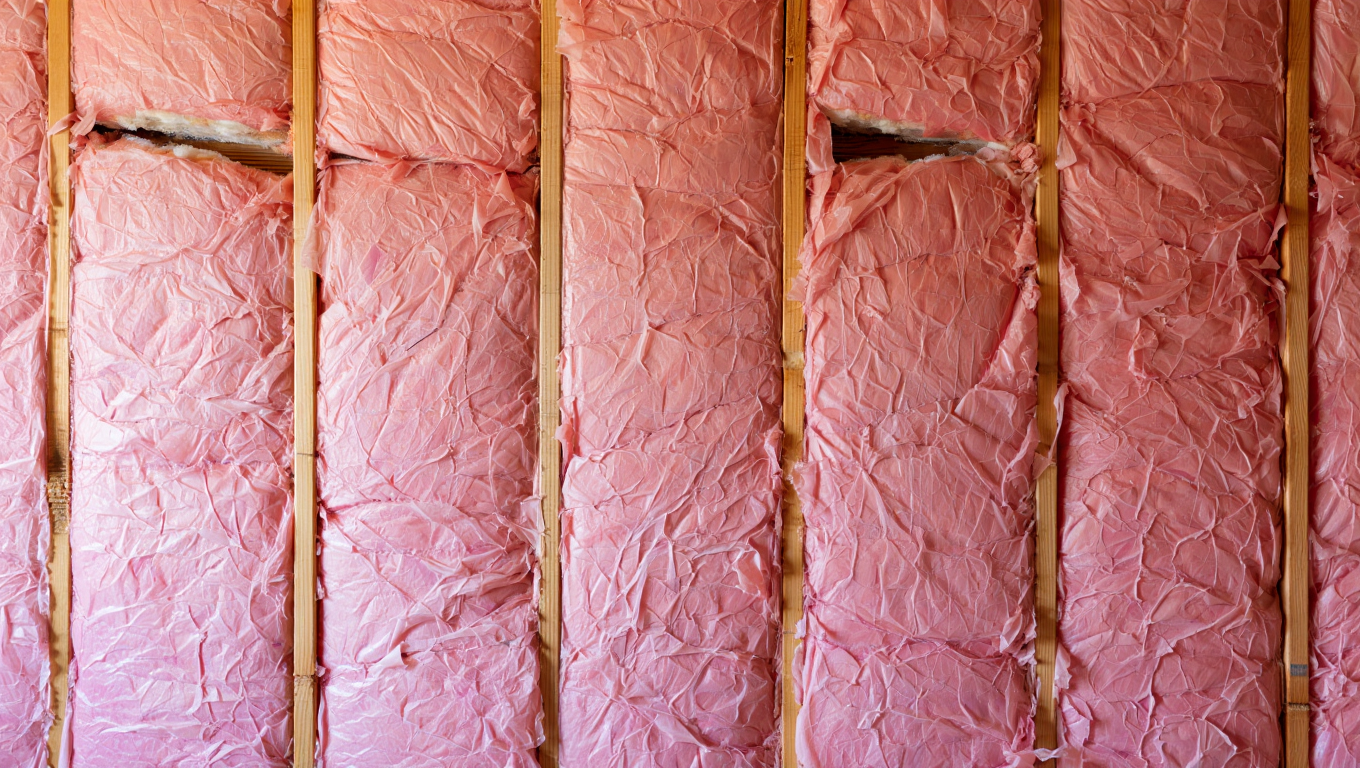
Most insulation failures in Connecticut do not announce themselves with a single dramatic event. They develop slowly, through moisture migration, thermal bridging, air leakage, and material degradation that compounds over heating and cooling seasons. At Crown Insulation Services, we encounter the same patterns repeatedly: homeowners reporting comfort complaints that have persisted for years without a clear diagnosis. The underlying issue is rarely a single material failure. It is almost always a systems-level breakdown where insulation, air sealing, vapor control, and ventilation are no longer working together.
We approach every building as if it were our own. That means we do not treat symptoms. We identify root causes, document conditions, and recommend solutions based on longevity, safety, moisture control, thermal performance, and code compliance. Connecticut’s climate, with its freeze-thaw cycles, coastal humidity, and wide seasonal temperature swings, demands that insulation function as part of a coordinated building envelope, not as a standalone product installed and forgotten.
The problems we describe below are the ones we diagnose most frequently across residential and commercial structures throughout the state.
Common Insulation Questions We Address in the Field
Why Is My Second Floor So Hot in Summer?
Heat accumulates on second floors when attic insulation is insufficient or has degraded. Radiant heat transfers through under-insulated roof assemblies and is compounded by air leakage at top plates, recessed lighting, and attic hatches. Proper attic insulation combined with air sealing at penetration points reduces thermal load on upper floors and lowers HVAC demand significantly.
What Causes Rooms Above a Garage to Stay Cold?
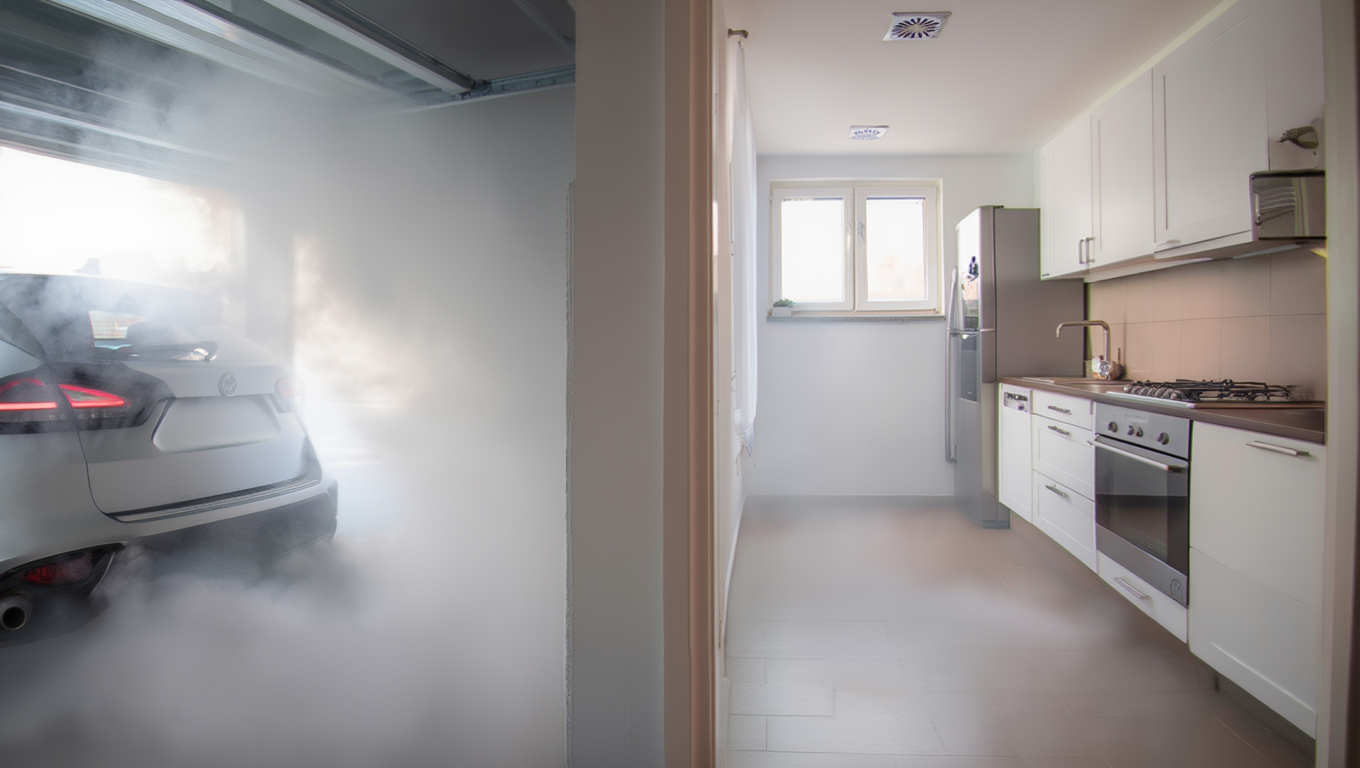
Rooms above garages are among the most consistently uncomfortable spaces in Connecticut homes. The garage ceiling acts as an exposed floor over an unconditioned space, often with minimal or compressed fiberglass batts. Without continuous air sealing and adequate insulation rated for that exposure, these rooms lose heat rapidly in winter. Spray foam insulation applied to the garage ceiling creates both an air barrier and thermal break.
Can Insulation Prevent Ice Dams?
Ice dams form when heat escaping through a poorly insulated roof melts snow, which refreezes at the eaves. The solution is not roof raking or heat cables, it is controlling heat flow at the source. Proper attic insulation paired with ventilation corrections eliminates the temperature differential that causes ice dams. This is an insulation and air-sealing problem, not a roofing problem.
Is Spray Foam or Cellulose More Cost-Effective in Connecticut?
The answer depends on application. Cellulose is effective for attic floor coverage and enclosed cavity fills where air sealing is already addressed separately. Spray foam insulation provides both insulation and air barrier performance in a single application, which often reduces total project cost when labor and performance are factored together. In Connecticut’s climate, spray foam vs cellulose cost comparisons must account for long-term moisture management, not just material price per square foot.

Local Environmental and Geographic Factors
Fairfield County, Connecticut presents a specific set of building performance challenges that we encounter daily. The coastal corridor along the Long Island Sound, including neighborhoods such as Old Greenwich, Riverside, and Cos Cob, exposes structures to salt air, high humidity, and wind-driven moisture that accelerate material degradation inside wall and roof assemblies. Insulation in these environments must resist moisture absorption while maintaining rated R-value under real-world humidity conditions.
Inland neighborhoods present different but equally demanding conditions. Back-Country Greenwich properties, often with larger footprints and complex rooflines, create more opportunities for thermal bridging and air leakage at transitions between conditioned and unconditioned spaces. Historic and older homes near Greenwich Avenue frequently have original insulation materials, or none at all, behind plaster walls and unfinished attic spaces.
Harbor Point in Stamford represents a growing segment of our work: mid-rise and mixed-use construction where commercial spray foam and spray-applied fireproofing must meet current energy code while coordinating with fire-rated assemblies. These projects demand material selection and installation methods that satisfy both thermal and fire safety performance simultaneously.
Our team has worked across these environments long enough to understand that insulation solutions must be matched to the specific exposure, construction type, and microclimate of each property. A coastal estate in Old Greenwich requires a fundamentally different approach than a post-war colonial in Stamford or a new-construction commercial building at Harbor Point.
Insulation as a Building System
Insulation does not operate in isolation. It interacts with HVAC systems, moisture dynamics, structural materials, and fire protection layers. When we evaluate a building, residential or commercial, we assess insulation as one component within a larger performance system.
Poorly performing insulation increases HVAC load, which increases energy cost and accelerates equipment wear. It also creates condensation risk: when warm, moist interior air reaches a cold surface inside a wall or roof assembly, moisture condenses and can lead to mold growth, wood rot, and structural damage over time. These are not hypothetical risks in Connecticut. They are conditions we document regularly during assessments.
Fire safety is another systems-level concern. Insulation materials must be selected and installed with attention to flame spread ratings, smoke development indices, and ignition barrier requirements. At Crown Management Services and Insulation, we maintain direct accountability for material selection, installation quality, and compliance with applicable fire and building codes.
We help property owners understand that insulation is maintenance-relevant infrastructure, not a one-time improvement. It requires periodic evaluation, particularly after roof work, HVAC changes, pest activity, or water intrusion events.
Materials and System Specifications
We install USA-made high-performance spray foam across both residential and commercial applications. Our material selection is based on performance requirements, not cost minimization.
Closed-cell spray foam provides the highest R-value per inch (approximately R-6.5 to R-7 per inch), functions as a vapor retarder, and adds structural rigidity to wall and roof assemblies. It is our standard recommendation for below-grade applications, crawl spaces, and any assembly exposed to moisture or requiring maximum thermal resistance in limited cavity depth.
Open-cell spray foam provides effective air sealing and sound attenuation at a lower density and cost point. It is appropriate for interior wall cavities, attic roof decks in conditioned-attic designs, and applications where vapor permeability is desirable to allow drying potential in the assembly.
Spray-applied fireproofing systems are specified for commercial and mixed-use structures where fire-resistance ratings must be achieved on steel, deck, and structural assemblies. These systems are tested and listed to meet specific hourly ratings and must be installed to manufacturer specifications and jurisdictional requirements.
Material selection always ties back to the specific building, exposure, and performance target. We do not default to a single product for every application.
Fire Safety and Compliance
Every insulation installation we perform is governed by applicable fire safety and building code requirements. We reference NFPA fire safety standards for material flame spread and smoke development classifications. We follow International Building Code requirements for ignition barriers, thermal barriers, and fire-resistance-rated assemblies.
For energy performance, we align with ASHRAE standards and reference EPA energy efficiency research and DOE guidelines when evaluating cost-of-ownership and long-term performance projections. Connecticut-specific programs, including the CT insulation rebate program, provide financial incentives that we help property owners identify and access as part of project planning.
Compliance is not optional and not an afterthought. It is integrated into material specification, installation method, and project documentation from the start.
Final Thoughts
Our service lines exist to solve specific building performance problems.
Crawl space insulation and encapsulation addresses moisture, air quality, and thermal loss in below-grade and semi-conditioned spaces. Residential insulation encompasses attic insulation CT, wall cavity retrofits, and whole-house air sealing programs. Commercial insulation includes large-scale spray foam applications, insulation for mechanical spaces, and coordination with fire-rated assemblies.
Soundproofing insulation is applied where noise transmission between units, floors, or rooms requires acoustic control, a growing need in multi-family and mixed-use construction. Fireproofing paint service and spray-applied fireproofing address fire-resistance requirements for structural steel and deck assemblies in commercial applications.
Rodent-contaminated insulation removal is a service we perform before any re-insulation work in affected areas. Contaminated material must be safely removed, the space sanitized, and entry points sealed before new insulation is installed. We do not insulate over compromised material.
We provide free thermal audits and on-site assessments for residential and commercial property owners throughout Connecticut. Our evaluations are factual, documented, and focused on safety, performance, and long-term value.
Crown Insulation Services 48 Union ST (914) 609-4216