Recent property assessments across Fairfield County, Connecticut have revealed a pattern that goes unnoticed until the repair bill arrives: degraded insulation is quietly destroying heating and cooling equipment from the inside out. Not through any direct contact, but by forcing these systems to run harder, longer, and more frequently than they were designed to.
Your HVAC system is sized to heat and cool a specific volume of conditioned air within a sealed envelope. When that envelope leaks, through settled insulation, open cavities, and unsealed penetrations, your equipment is no longer conditioning a closed space, and that is a battle no mechanical system can win.
At Crown Management Services and Insulation, we have worked with homeowners who have replaced furnaces, air handlers, and compressors multiple times without ever addressing the real cause of the failure. The equipment was never the problem. The envelope was.
We approach every building as if it were our own. That means we look past the thermostat and the ductwork and start where the problem actually begins, inside the walls, ceilings, and floors where insulation has failed.
The Mechanical Strain of Heating an Unsealed Property
Think of your HVAC system the way you would think of a car engine. A car engine is designed to cruise at a comfortable speed on a flat highway. It can handle that pace all day without stress. But if you force that same engine to climb a steep hill in low gear for hours without stopping, it overheats. Components wear out faster. The transmission strains. The lifespan of the vehicle drops dramatically, not because the engine was defective, but because it was asked to do more than it was built for.
That is exactly what happens to your heating and cooling equipment when insulation has failed. Every gap, void, and unsealed penetration in your building envelope is another hill your HVAC system has to climb. The furnace runs longer cycles. The compressor cycles on and off more frequently. The blower motor operates at higher speeds for extended periods. Each of these conditions accelerates mechanical wear on bearings, heat exchangers, compressor valves, and electrical components.
The average residential HVAC system is designed to last fifteen to twenty years under normal conditions. “Normal” means a reasonably sealed envelope where the system cycles on, reaches setpoint, and rests. In a home with degraded insulation, that system may never truly rest during peak season. We regularly assess homes where equipment is failing at eight to twelve years, and the thermal envelope always tells the story.
The cost is not just the replacement unit. It includes emergency service calls and the compounding energy waste that preceded the failure.
Why Rising Utility Bills Indicate a Failing Thermal Envelope
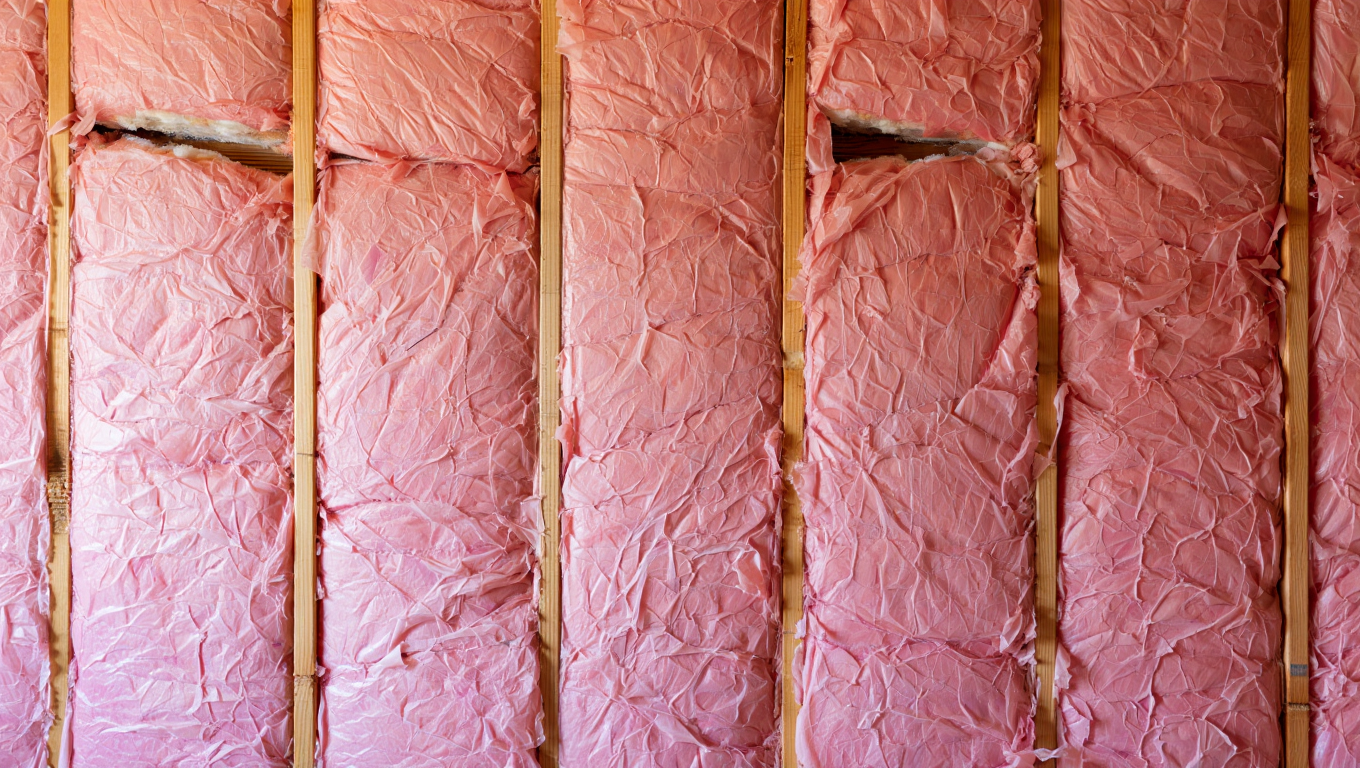
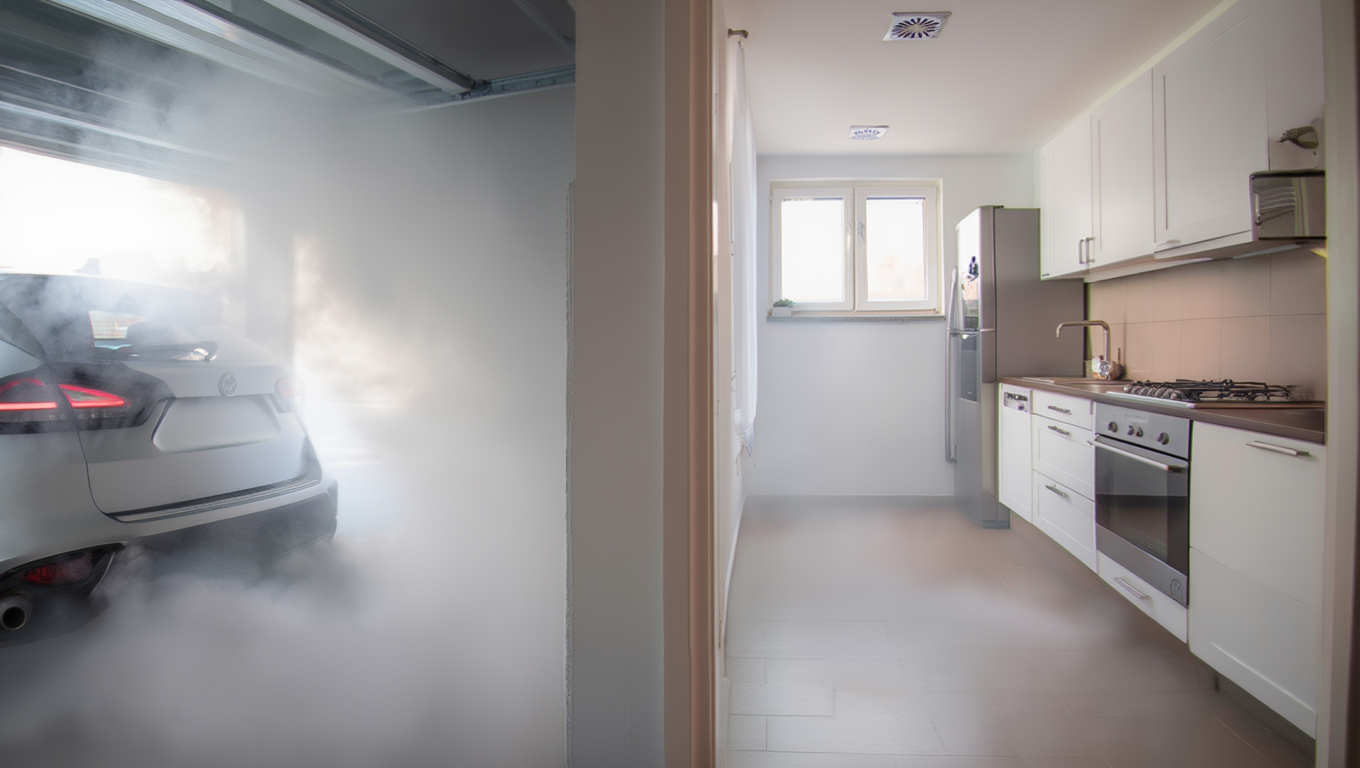
Here is what is happening in practical terms. Conditioned air is leaking out of your living space through every unsealed gap in the building assembly. Through settled attic insulation that no longer covers the top plates. Through wall cavities where fiberglass batts have sagged and left voids. Through rim joists in the basement that were never sealed. Through the floor assembly above an attached garage. Every one of these pathways is an open door for your expensive, conditioned air to escape.
Your HVAC system responds the only way it can: by producing more conditioned air to replace what was lost. The thermostat calls for heat. The furnace fires. The house reaches temperature briefly, then drops again as warm air leaks out. The furnace fires again. This short-cycling pattern repeats all day and all night during the heating and cooling season.
The utility bill reflects this cycle with perfect accuracy. A home that once cost a manageable amount to heat and cool gradually becomes more expensive each year as insulation continues to degrade, settle, and lose contact with the surfaces it was installed against. Many homeowners assume the increase is just the cost of energy going up. In reality, a significant portion of that increase is the cost of conditioning air that never stays inside the home.
Lowering HVAC Load with Closed-Cell Spray Foam vs Open-Cell Spray Foam
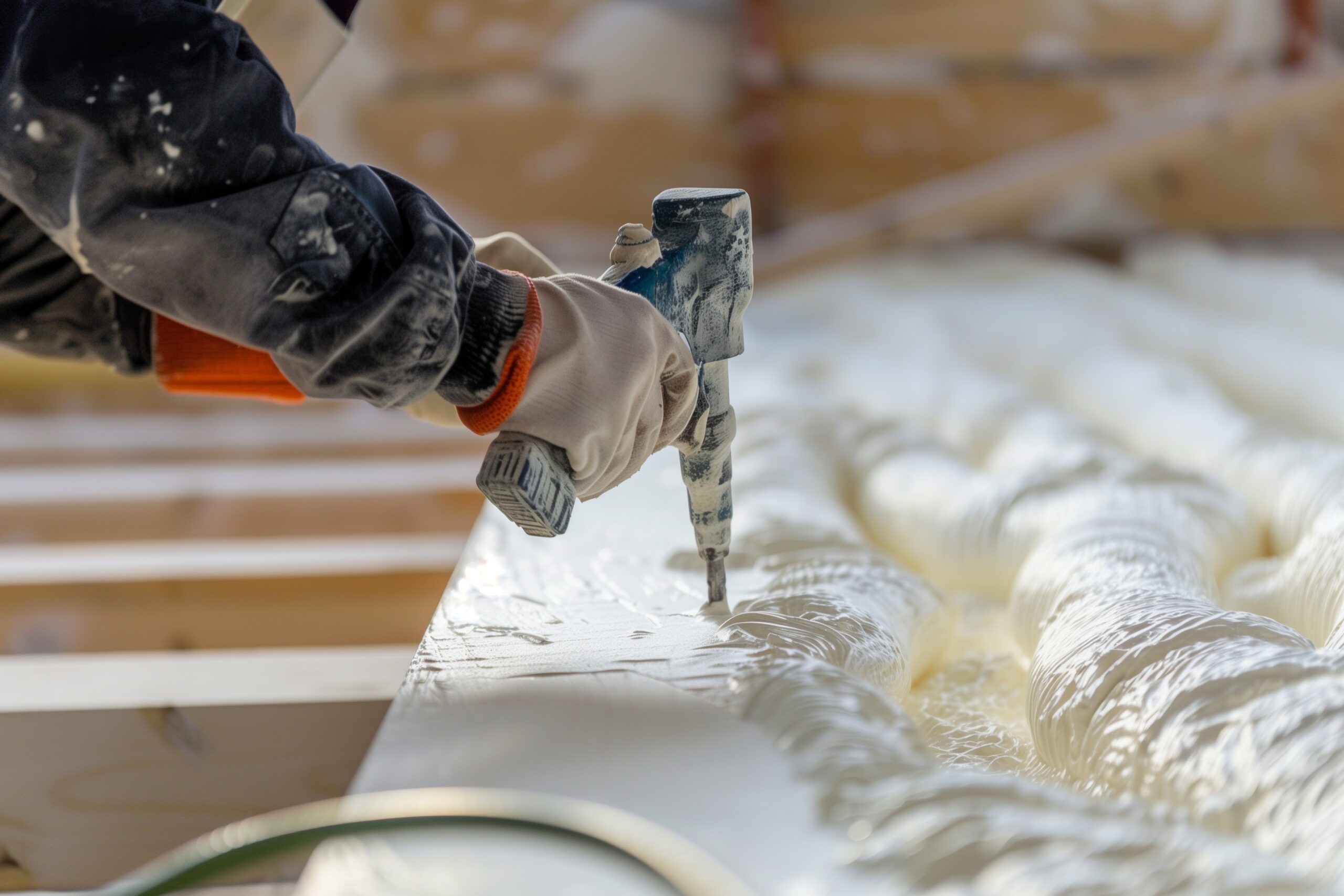
Once we have identified where the envelope is failing, the question becomes: what is the right material to fix it? This is where the distinction between closed-cell spray foam and open-cell spray foam becomes critical, because each serves a different purpose, and applying the wrong one in the wrong location leaves performance on the table.
Closed-cell spray foam is the denser, higher-performing option. It delivers approximately R-6.5 to R-7 per inch of thickness, functions as a Class II vapor retarder at two inches, and adds measurable rigidity to the assembly it is applied to. We specify closed-cell spray foam for exterior-facing assemblies, below-grade walls, crawl space encapsulation, garage ceilings, and any location where both maximum thermal resistance and moisture control are required in limited cavity depth. In these locations, closed-cell foam does the work of insulation, air barrier, and vapor retarder in a single application, which directly reduces the HVAC load by eliminating three failure modes simultaneously.
Open-cell spray foam is lighter, more flexible, and expands to fill irregular cavities completely. It delivers approximately R-3.5 to R-3.7 per inch and is vapor-permeable, which allows assemblies to dry in both directions. We specify open-cell foam for interior wall cavities, conditioned attic roof decks, and sound-sensitive applications where acoustic absorption is also a goal. Open-cell foam excels at air sealing, which is the single largest contributor to reducing HVAC load in most residential buildings.
We use USA-made high-performance spray foam in every application. At Crown Management Services and Insulation, we evaluate each cavity individually and specify the material that delivers the best long-term performance for that specific exposure. The result is a building envelope that allows your HVAC system to operate the way it was designed to, at moderate load, with normal cycling, and with a realistic path to its full service life.
Why is my second floor so hot during the summer?
A hot second floor in summer almost always traces back to insufficient attic insulation and air sealing. Heat radiates through the roof assembly into an under-insulated attic, then conducts through the ceiling into your living space. Your cooling system runs continuously trying to overcome that heat load. Proper attic insulation CT and air sealing at penetration points stops the heat at the source.
Can an insulation company Westport CT help lower my heating bills?
An insulation company Westport CT with building science diagnostic capability can identify exactly where your thermal envelope is leaking conditioned air. In many Westport homes, settled attic insulation, unsealed rim joists, and degraded wall cavities are the primary drivers of high heating costs. Targeted air sealing and insulation replacement directly reduces the HVAC load that drives those bills.
How does the CT insulation rebate program offset HVAC efficiency upgrades?
The CT insulation rebate program provides financial incentives for qualifying insulation and air-sealing upgrades that improve building energy performance. These rebates can offset a meaningful portion of project cost when insulation work meets program efficiency thresholds. We help property owners identify applicable rebates and incorporate them into project planning from the start.

To Wrap Up
Properties across Fairfield County share these risks. In Old Greenwich and Riverside, coastal humidity accelerates insulation degradation while simultaneously increasing cooling load. Along the Long Island Sound and near Greenwich Avenue, older homes with original fiberglass insulation are among the most affected. In Harbor Point in Stamford and Back-Country Greenwich, we assess properties where HVAC replacement history alone tells us the envelope has been failing for years. In Cos Cob and throughout Darien, rising utility bills are prompting homeowners to look beyond the equipment and into the walls, which is exactly where the answer has been all along.
We provide free thermal audits and on-site assessments for property owners experiencing rising energy costs, comfort inconsistencies, or premature HVAC wear. Our evaluations are factual, documented, and focused on safety, performance, and long-term operational savings.
Crown Insulation Services 48 Union ST (914) 609-4216