The Invisible Chimney in Your Home
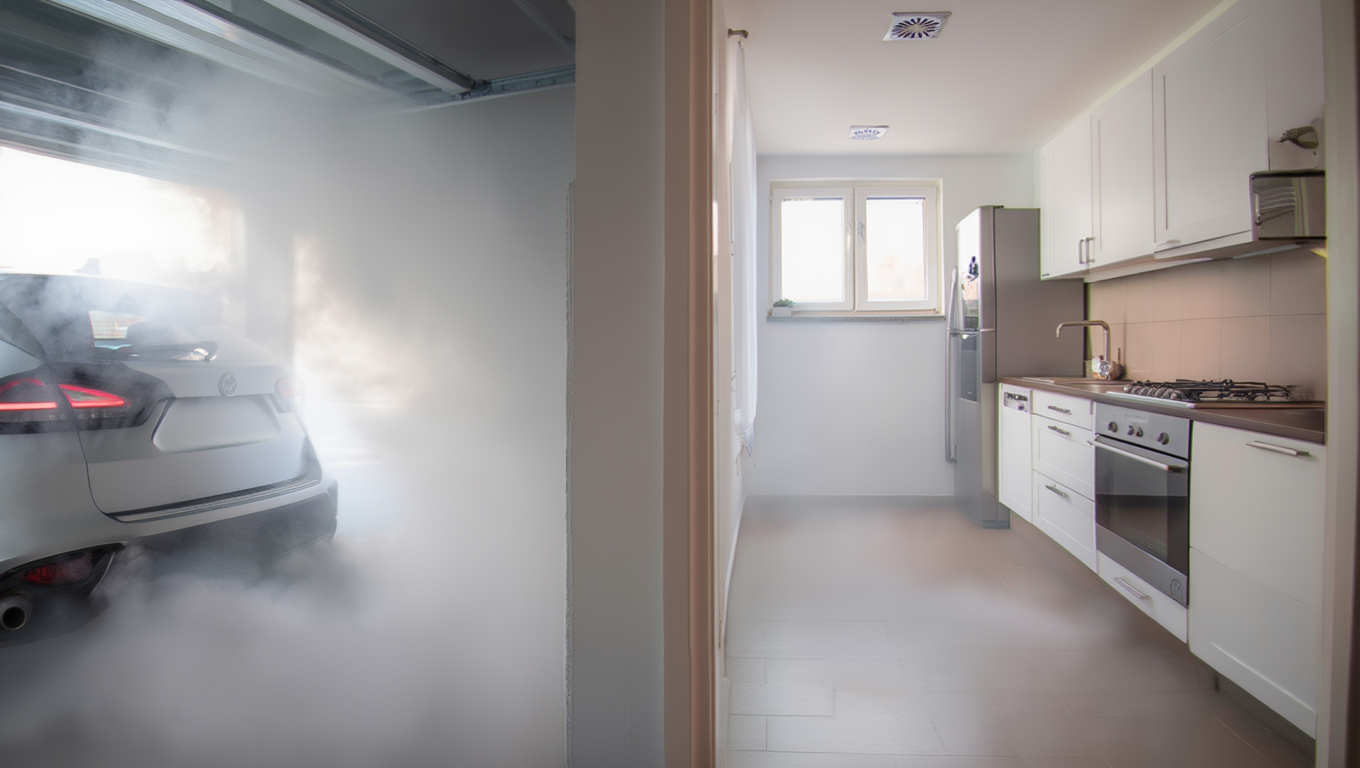
To understand why your crawl space matters, imagine your house is a giant chimney. This isn’t just a metaphor; it is a principle of physics called the “Stack Effect.”
When you heat the air inside your home during a Connecticut winter, that warm air becomes light and rises. It floats up to the second floor, pushes through the ceiling, and eventually leaks out of the attic roof. You might think this just means you are losing heat, but physics dictates that for every cubic foot of air that leaves the top of your house, a new cubic foot of air must be sucked in at the bottom to replace it.
Where does that replacement air come from? It comes from the crawl space or basement.
This means that the air you breathe in your living room, kitchen, and bedrooms is actually air that has traveled up through the dirt, concrete, and insulation of your home’s foundation. In the winter, this is problematic because it draws in cold air. But as we approach the spring thaw, the danger shifts from temperature to toxicity.
As the frozen ground in Fairfield County begins to melt, the soil becomes saturated with water. This moisture creates immense vapor pressure against your foundation walls. Because the Stack Effect is constantly pulling air upwards, it drags this heavy, damp vapor into your home. The crawl space ceases to be just a storage area; it becomes a lung, exhaling moisture, mold spores, and soil gases directly into your living environment.
Many homeowners we speak with are unaware of this dynamic until they notice the symptoms: cupped hardwood floors, a musty smell in the foyer, or sudden allergy flare-ups in March and April. They often ask us:
- Why does my house smell like earth when it rains?
- Can insulation really stop water vapor?
- Is the “Stack Effect” the reason my energy bills are so high even when the weather warms up?
At Crown Insulation Services, we answer these questions by applying building science to the dirt beneath your feet. We look at the crawl space not as a separate cave, but as the foundation of your home’s respiratory system. By understanding how to control this environment, we can determine the true Crawl space encapsulation cost CT, which is measured not just in dollars, but in the longevity of your structure and the health of your family.
The Biology of a Damp Crawl Space

Why does my house smell musty in the spring?
A musty odor is the primary indicator of active mold growth. In a vented crawl space, relative humidity often exceeds 60% during the spring thaw. This creates the perfect ecosystem for mold and dust mites to colonize the wood framing. As the Stack Effect pulls air upwards, these spores are distributed throughout the home, often leading to “Sick Building Syndrome” where occupants experience chronic respiratory irritation.
How do I know if animals are in my insulation?
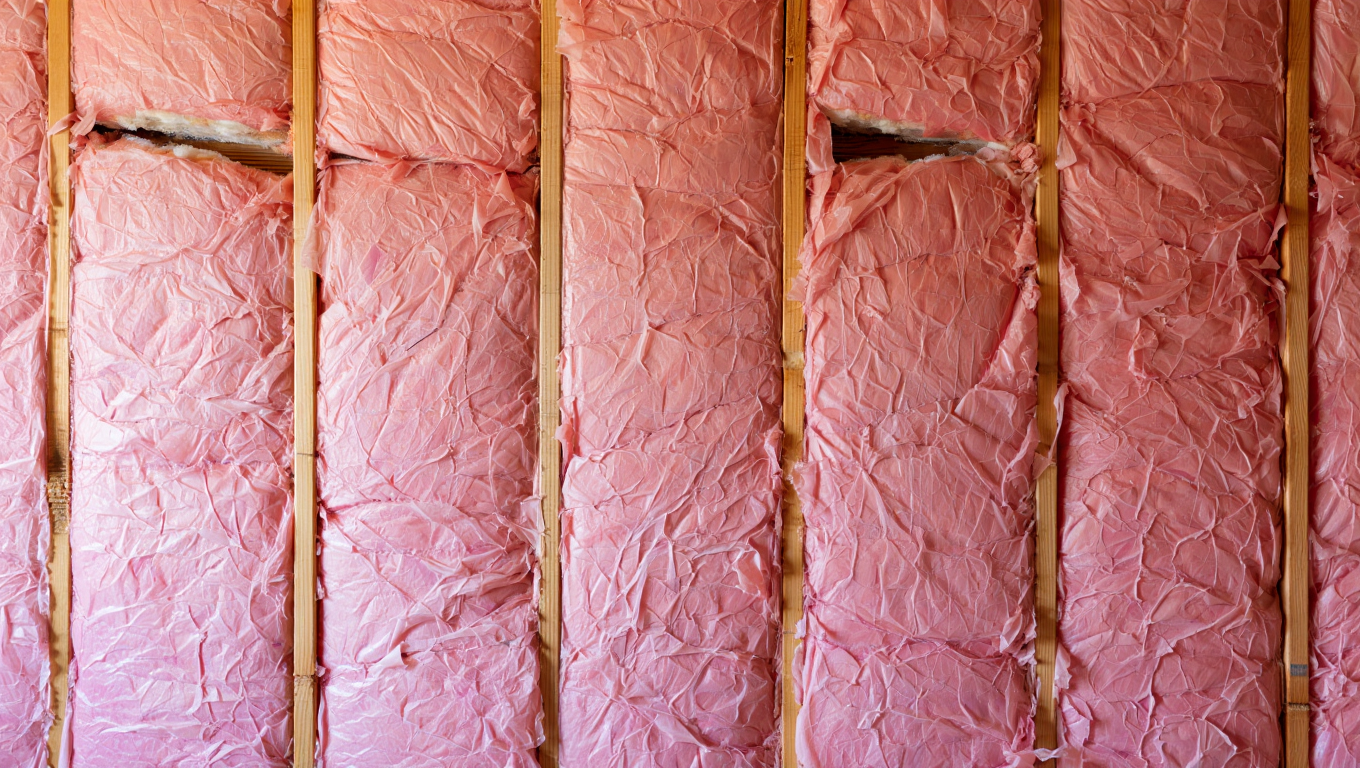
If you hear scratching or find droppings, you likely have a breach. Fiberglass batting that has fallen from the subfloor is a prime nesting material for mice and squirrels. We perform Rodent contaminated insulation removal CT to treat this not just as a pest issue, but as a sanitation crisis. Rodent urine and feces in the insulation degrade indoor air quality and must be professionally abated before new insulation is installed.
Why is my second floor so hot?
While this seems unrelated to the basement, it is often a symptom of the same airflow problem. If the Why is my second floor so hot query leads to a diagnosis of uncontrolled air movement, we often find that the “chimney” is open at both ends. High heat upstairs means air is escaping rapidly, which means it is being sucked rapidly from the damp crawl space below. Sealing the bottom stops the flow.
Encapsulation Technology: creating a “Conditioned” Space
The old method of building crawl spaces involved installing vents to “let the air out.” Modern building science has proven this to be a catastrophic error in humid climates like ours. Opening vents in the spring allows warm, wet air to enter the cool crawl space, where it immediately condenses on the wood and pipes.
At Crown Insulation Services, we reverse this approach. We treat the crawl space as a “conditioned” part of the home, sealed just as tightly as your living room.
This process, known as encapsulation, involves three critical steps:
- Drainage and Matting: We manage bulk water from the spring thaw to ensure it cannot pool against the foundation.
- Vapor Barrier: We install a heavy-duty, reinforced liner that mechanically separates the house from the earth. This stops ground vapor from rising.
- Thermal Sealing: We apply closed-cell spray foam to the rim joist (the perimeter where the wood frame sits on the concrete).
In coastal areas prone to high water tables, such as Old Greenwich or Riverside, this is the only way to prevent moisture intrusion. By using Spray foam insulation Greenwich CT strategies, we create a waterproof, airtight bond that fiberglass simply cannot achieve. While we utilize Commercial spray foam CT grades for large-scale projects, the same high-density, closed-cell technology is vital for residential encapsulation to resist hydrostatic pressure.
Energy Efficiency from the Ground Up
Have you ever tried to heat a room where the floor feels like a block of ice? This is the reality for many homes with unsealed crawl spaces. When the floor joists are exposed to the ambient temperature of the earth or the outside air, the floor acts as a massive heatsink, sucking thermal energy out of the room.
We frequently see this issue in homes with bonus rooms or extensions, leading homeowners to ask, “Why are my Rooms above garage cold?” The physics are identical: an uninsulated floor exposed to unconditioned space.
In the crawl space, the solution is to insulate the walls, not just the ceiling. By applying insulation to the foundation walls and the rim joist, we bring the crawl space inside the “thermal envelope.” This means the floor of your first story is no longer fighting the cold earth; it is sitting on top of a pocket of tempered air.
For properties in Stamford, addressing this often involves a dual approach: encapsulation for the crawl space and Garage insulation Stamford CT for the cantilevered floors. Homeowners concerned about the Spray foam insulation cost CT should consider the load reduction on their HVAC system. When the ducts run through a conditioned crawl space rather than a freezing damp cave, the furnace works significantly less to deliver hot air to the registers.
Structural Preservation and Wood Rot
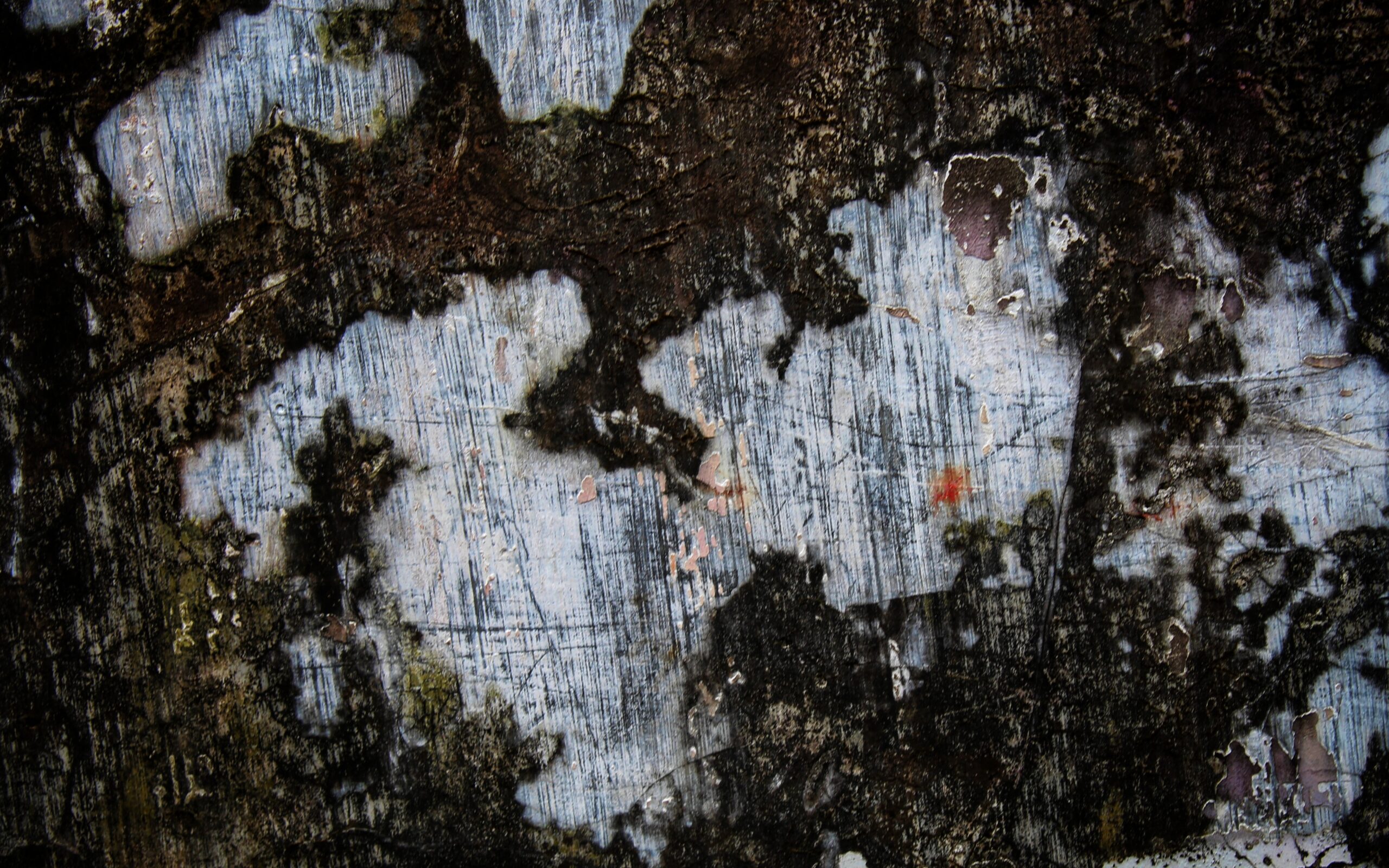
Wood rot is a fungus, and like any fungus, it requires moisture to thrive. Specifically, when the moisture content of wood exceeds 20%, decay fungi begin to consume the cellulose fibers that give the wood its strength.
In the spring, humidity levels in a vented Connecticut crawl space can easily spike, causing the wood subfloor and joists to absorb water like a sponge. Over time, this softens the structural skeleton of the house. We often encounter this in the historic homes near Westport and Southport, where centuries-old beams are threatened by modern moisture loads.
As a dedicated Insulation company Westport CT, we view encapsulation as structural insurance. By keeping the humidity below 50%, we physically starve the fungi, arresting any active rot and preventing future decay.
This holistic approach extends to the roof as well. Just as we prevent moisture at the bottom, we ensure the top is sealed to stop the “pull” of the Stack Effect. This is why we often discuss Attic fireproofing Darien CT and Ice dams insulation solution in the same consultation. A wet crawl space contributes to wet attic air, which contributes to ice dams. The house is a system; if one part fails, the whole structure suffers.
From Assessment to Remediation
Recognizing that your crawl space is a hazard is the first step; fixing it safely is the second. We do not recommend DIY encapsulation. The risk of trapping moisture, mishandling contaminated materials, or using the wrong vapor permeance products is too high.
Our protocol begins with a rigorous assessment. We act as your Insulation contractor CT to measure humidity levels, check for radon pathways, and inspect the rim joist for air leakage.
If the existing material is compromised, we remove it. We do not simply cover up problems. Whether we are installing Blown-in attic insulation CT or sealing a basement, the substrate must be clean. We also guide homeowners through the CT insulation rebate program, helping to offset the cost of these critical efficiency upgrades.
For residents searching for an Insulation contractor Stamford CT, the choice comes down to thoroughness. We approach the crawl space with the same precision we apply to the rest of the building envelope, ensuring that the “lungs” of your home are breathing clean, dry air.
Close the Chimney
The spring thaw does not have to mean a damp, unhealthy home. By understanding the physics of the Stack Effect and addressing the moisture source in the crawl space, you can protect your property’s structure and your family’s health. At Crown Insulation Services, we provide the Best rated insulation company CT experience because we solve the root cause, not just the symptom.