When the Neighborhood Wakes Up
Spring in Connecticut is a time of awakening. The snow melts, the birds return, and the flowers bloom. But for many homeowners along the coast, spring also brings a less welcome awakening: the noise.
As the weather warms, the “acoustic buffer” of winter snow disappears. Landscaping crews start their leaf blowers, construction projects break ground, and traffic volume on I-95 and the Merritt Parkway increases. Suddenly, the sanctuary of your home feels invaded. You might find yourself turning up the television volume to drown out a lawnmower or waking up at 5:00 AM because of a delivery truck idling down the street.
We call this “Noise Irritation Syndrome,” and while it sounds like a minor annoyance, it is a genuine stressor on your body. Constant low-level noise triggers your body’s “fight or flight” response, raising cortisol levels and disrupting sleep cycles.
Think of your home like a submarine. A submarine is designed to keep water out. If it has a hole, water gets in. Your home is designed to keep the outside environment, both temperature and sound, out. If you are hearing the outside world clearly from your living room, your “submarine” has leaks.
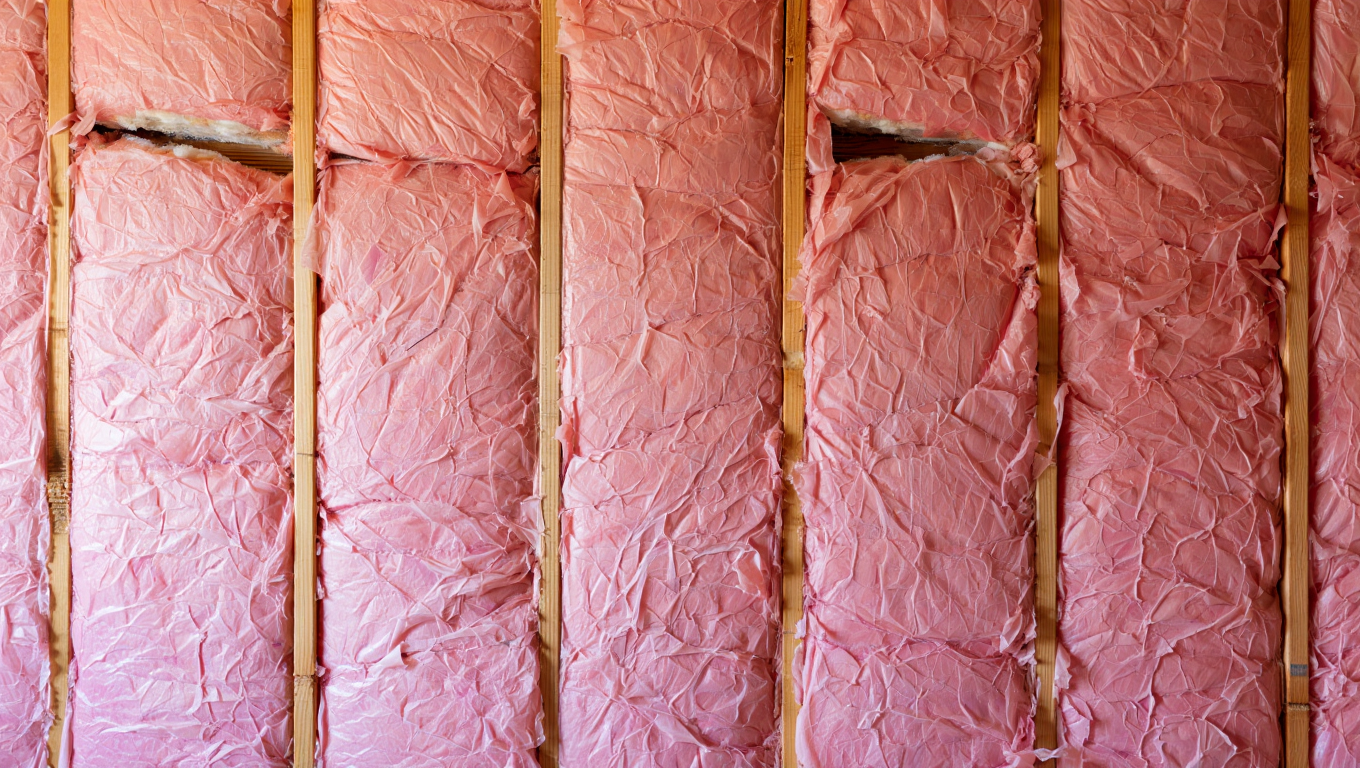
But why does sound travel through walls that look solid? Why does fiberglass insulation, the pink stuff you see in attics, do almost nothing to stop the roar of a motorcycle? And how can we fix this without rebuilding the entire house?
At Crown Insulation Services, we address these questions by treating sound as a physical force. As your specialized Insulation contractor CT, we do not just manage heat; we manage the comfort of your entire indoor environment.
Understanding STC and OITC Ratings
What is the best soundproofing for traffic noise?
To stop traffic noise, you need mass and airtightness. We recommend consulting a Soundproofing insulation contractor who understands the difference between STC (Sound Transmission Class) and OITC (Outdoor-Indoor Transmission Class). Standard insulation rates well for STC (voices), but poor for OITC (low rumble of traffic). To stop the rumble, we use dense materials like closed-cell foam or dense-pack cellulose that add weight to the wall and block low-frequency sound waves.
Does spray foam reduce noise better than fiberglass?
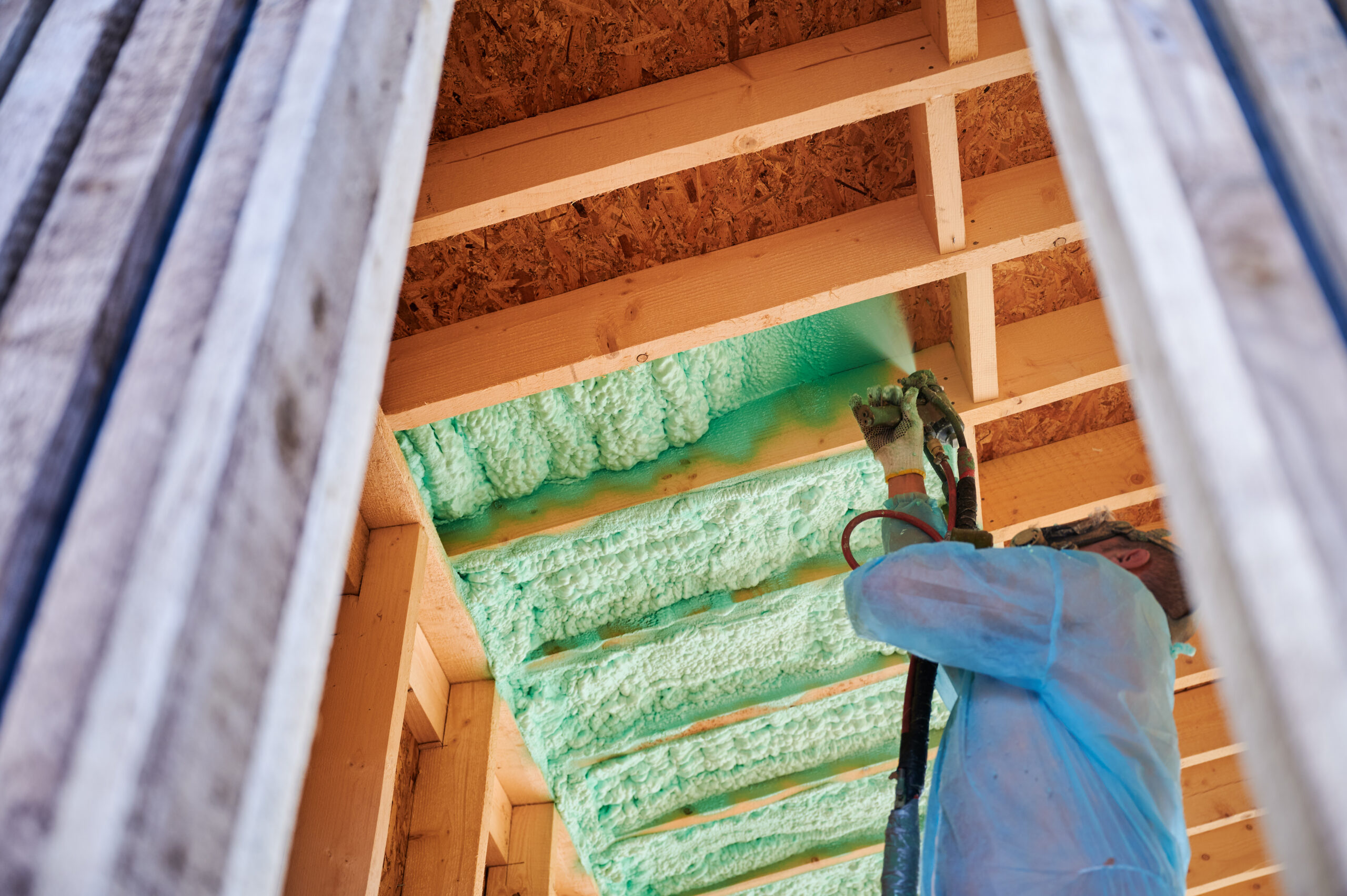
Yes, specifically because of the air seal. Sound travels through air. Fiberglass allows air to pass through it, meaning it allows sound to pass through it. Closed-cell foam seals the gaps, cutting off the “flanking paths” for noise. When evaluating Spray foam insulation cost CT, consider that you are paying for both thermal insulation and acoustic dampening in one product.
Why are my rooms above the garage so cold and loud?
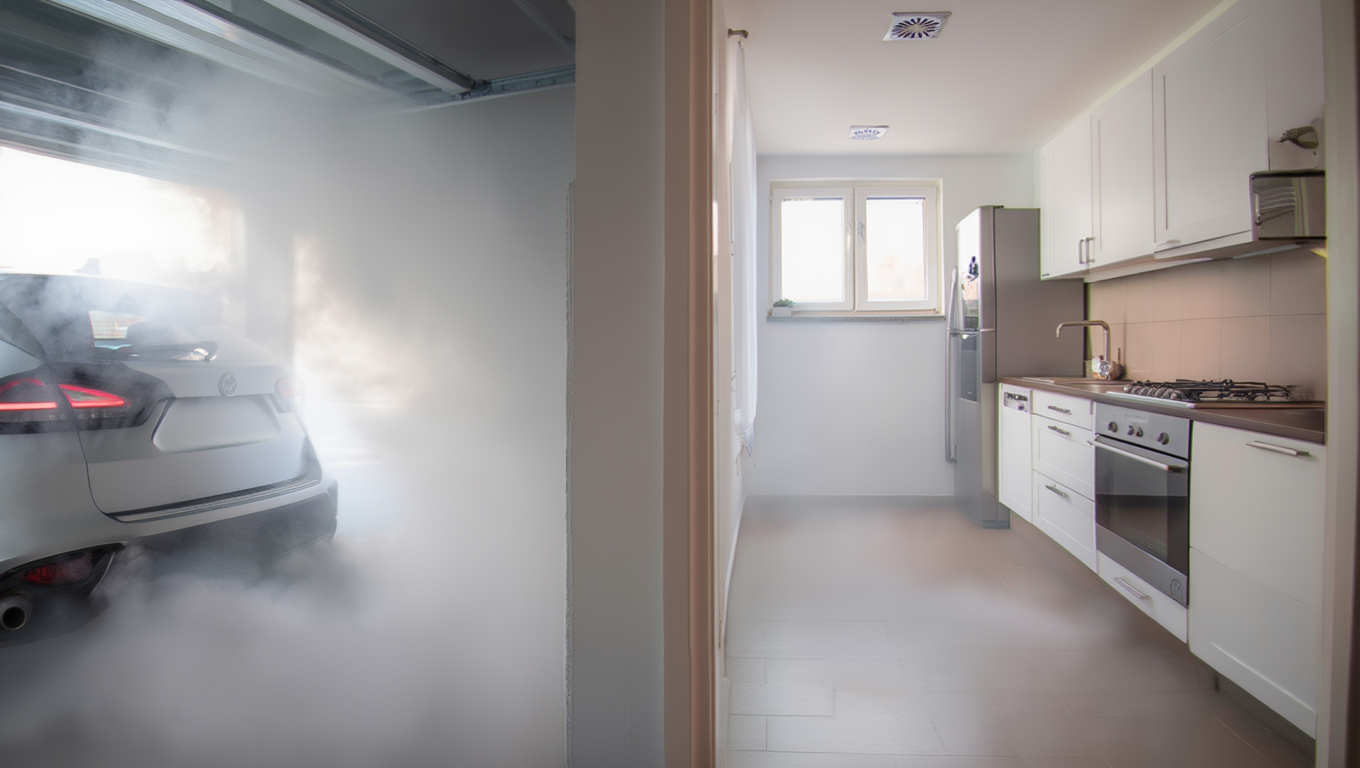
The space above a garage is often the most compromised room in the house. If you are wondering “Rooms above garage cold,” it is usually because the floor joists are uninsulated and unsealed. This hollow space acts like a drum, amplifying the sound of the garage door opener and letting in cold air. We solve both problems by filling the joist bay with high-density insulation, stopping both the freeze and the noise.
The Difference Between Sound Absorption and Blocking
There is a major misconception in building science that “soft” materials stop sound. People think that because pillows muffle sound, soft fiberglass insulation will block noise from the street.
This is false. Soft materials absorb echo (make the room less echoey), but they do not block sound from entering.
To block sound, you need density. Imagine someone throws a tennis ball at a sheet (soft material). The sheet catches the ball. Now imagine someone throws a bowling ball (heavy noise like a truck) at the sheet. The bowling ball goes right through. To stop the bowling ball, you need a concrete wall or a thick piece of wood.
In our work as an Insulation contractor Stamford CT, we often see homes near the train lines where standard insulation has failed. The walls vibrate with the sound of the train because the insulation inside them is too light to stop the energy. To fix this, we need to add mass to the wall without tearing it down.
Retrofitting Existing Walls for Silence
So, how do we add mass to a wall that is already built? We use a technique called “dense-packing.”
For homes in dense neighborhoods like Riverside or Cos Cob, we cannot easily tear down exterior drywall. Instead, we remove a row of siding or drill small holes from the inside. We then inject cellulose insulation under high pressure.
This is not the loose, fluffy cellulose you might see in an attic. This is packed so tightly that it becomes a solid block inside your wall. It becomes heavy. This added weight makes it much harder for sound waves to vibrate the wall.
This process is often part of a larger Blown-in attic insulation CT project. By treating the attic floor and the exterior walls simultaneously, we create a continuous blanket of density around the home.
We also find that in older homes, the insulation that was there (if any) has often been comprised by pests. We perform Rodent contaminated insulation removal CT to clear the cavities before dense-packing, ensuring that we are not trapping allergens inside your new sound barrier.
Windows and Flanking Paths
Sound is like water; it will find the path of least resistance. You can build a concrete bunker, but if you leave the door open, you will still hear the noise outside.
In a house, these “open doors” are called flanking paths. They are the tiny gaps around your window frames, the holes where wires enter the house, and the rim joist where the wood frame meets the foundation.
In Fairfield County, where high winds are common, these gaps also let in drafts. We use Spray foam insulation Fairfield County strategies to seal these perimeters. By applying low-expanding foam around windows and doors, we stop the airborne noise leaks.
This is particularly relevant for Commercial spray foam CT applications in mixed-use buildings, where sealing the demising walls between a noisy restaurant and a quiet office is critical for tenant satisfaction.
The Value of Quiet in Real Estate

A quiet home is a premium asset. In real estate markets like Westport and Greenwich, buyers are increasingly sensitive to environmental noise. A home that is acoustically fortified is perceived as higher quality, more solid, and more private.
When we operate as an Insulation company Westport CT, we encourage homeowners to view soundproofing as an investment in property value. It is not just about sleeping better tonight; it is about selling a higher-quality home tomorrow.
We also assist clients in checking the CT insulation rebate program to see if their soundproofing upgrades, which almost always double as energy efficiency upgrades, qualify for financial incentives.
Whether you are looking for the Best rated insulation company CT to handle a single bedroom or a full-house retrofit, our goal is to give you control over your environment. We help you shut out the world so you can enjoy your home.
Reclaim Your Peace
The noise of the coast is not going away, but it does not have to be in your living room. By understanding the physics of sound and applying the right materials, you can turn your home back into the sanctuary it was meant to be.