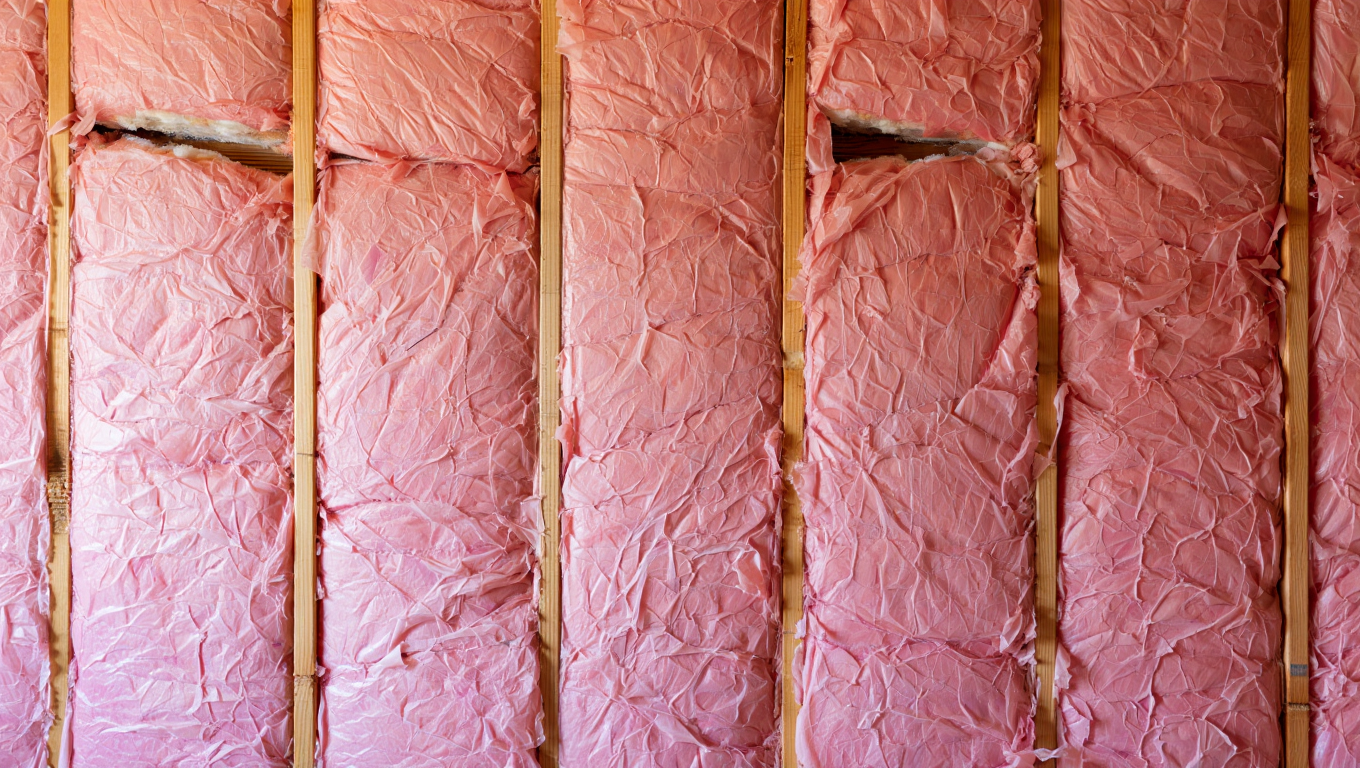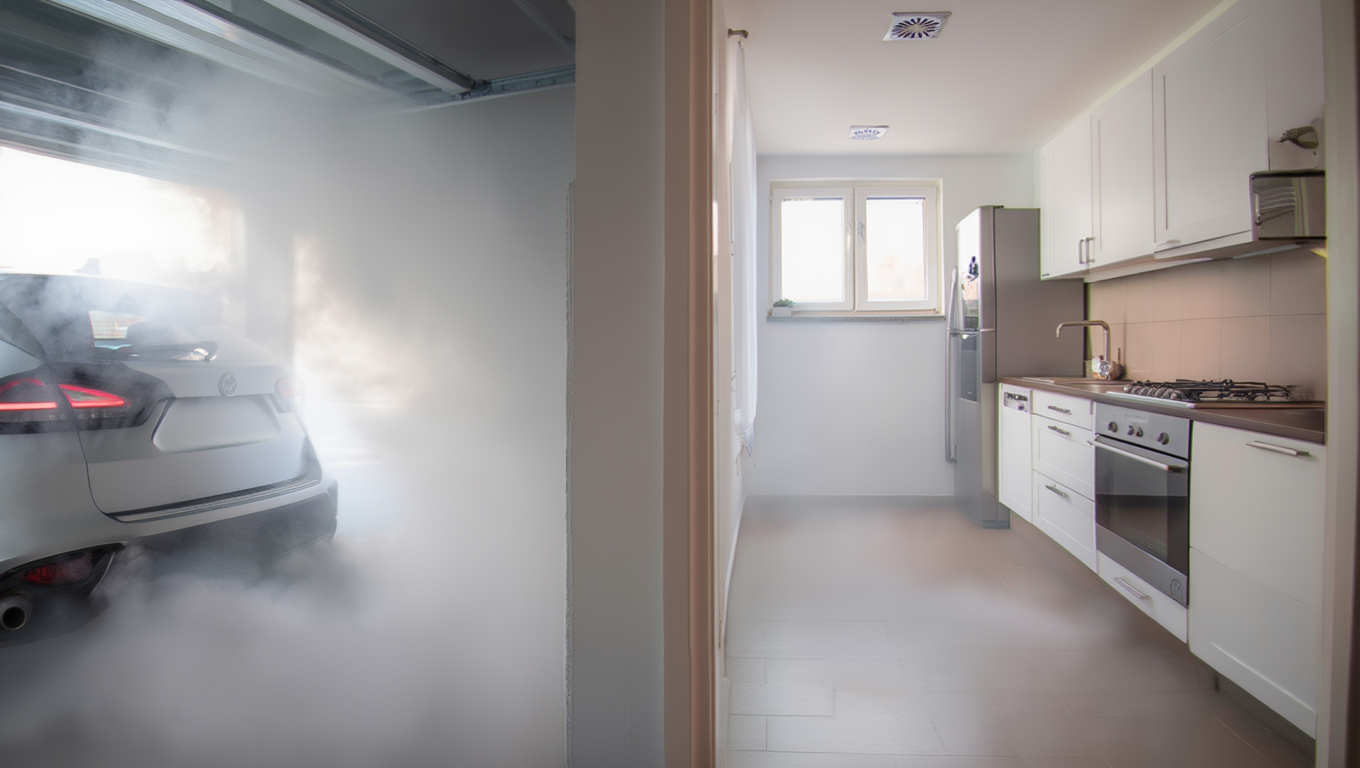
At Crown Insulation Services, we work with homeowners, property managers, builders, and commercial decision-makers who want their buildings to perform better over time. One of the most overlooked yet impactful components of that performance is attic insulation. Whether we are evaluating a residential property or a large commercial facility, we consistently see how attic insulation directly affects energy efficiency, indoor comfort, fire protection strategies, and long-term structural durability.
We approach attic insulation as a system, not a single product or quick upgrade. Our team focuses on how insulation interacts with air movement, moisture control, fire resistance, acoustics, and building codes. When properly designed and installed, attic insulation becomes a critical layer of protection that supports both operational efficiency and occupant safety.
Why attic insulation matters in modern buildings
Attics act as a thermal buffer between occupied spaces and the exterior environment. Without proper insulation, heat transfer through the roof assembly increases significantly, leading to higher energy consumption and uneven indoor temperatures. We help property owners understand that attic insulation is not only about keeping heat in during winter or out during summer. It is about controlling airflow, limiting moisture intrusion, and supporting fire safety objectives across the entire structure.
According to guidance from the U.S. Department of Energy, inadequate insulation is one of the primary contributors to energy loss in both residential and commercial buildings. Heat naturally moves toward cooler areas, and without sufficient insulation in the attic, HVAC systems must work harder year-round to maintain stable indoor conditions. This results in increased operating costs and unnecessary wear on mechanical equipment.
Attic insulation and energy efficiency performance
At Crown Insulation Services, we design attic insulation solutions that reduce thermal bridging and improve overall building envelope performance. When insulation is properly specified and installed, it helps maintain consistent indoor temperatures and lowers heating and cooling demands.
We frequently explain to clients that attic insulation impacts energy performance in several ways:
- It reduces heat transfer through the roof assembly
- It minimizes air leakage that contributes to drafts and temperature fluctuations
- It supports HVAC efficiency by stabilizing indoor conditions
- It helps prevent ice dam formation and condensation-related issues
For commercial properties in particular, energy efficiency is directly tied to operating budgets. Facilities with poorly insulated attics often experience higher peak energy loads, which can affect equipment sizing, maintenance schedules, and long-term energy planning.
Our work with Attic insulation CT projects often focuses on aligning insulation performance with the needs of commercial and mixed-use buildings where energy optimization and code compliance are essential.
Understanding insulation materials and application methods

We guide our clients through insulation material selection based on building type, usage patterns, and performance goals. No single insulation solution fits every structure. Our role is to evaluate the attic environment and recommend materials that address thermal resistance, air sealing, and fire performance together.
Common considerations we assess include:
- Required R-values based on building standards
- Air permeability of insulation materials
- Moisture resistance and vapor control needs
- Compatibility with fireproofing systems
The Environmental Protection Agency emphasizes that insulation effectiveness depends not only on material R-value but also on correct installation and air sealing. Gaps, compression, or improper placement can significantly reduce real-world performance. Our team prioritizes precision installation to ensure insulation performs as intended over its full lifespan.
Moisture control and attic insulation systems
Moisture is one of the most damaging forces in a building if not properly managed. In attic spaces, moisture accumulation can lead to mold growth, material degradation, and reduced insulation effectiveness. We approach attic insulation with moisture control as a core design principle.
At Crown Insulation Services, we evaluate ventilation patterns, vapor barriers, and air leakage pathways before installing insulation. This allows us to prevent common issues such as:
- Condensation forming on roof decking
- Insulation saturation and loss of thermal resistance
- Mold growth that impacts indoor air quality
- Structural damage caused by prolonged moisture exposure
The EPA highlights the importance of controlling moisture to maintain healthy indoor environments. Proper attic insulation works hand in hand with moisture management strategies to protect both occupants and building materials.
Fire safety considerations in attic insulation
Fire safety is a critical concern in attic spaces due to the presence of structural components, electrical systems, and HVAC equipment. We integrate fire protection principles into our attic insulation recommendations, especially for commercial and multi-unit buildings.
Our team specializes in solutions that align insulation performance with fire resistance requirements. Depending on the building type and code requirements, this may involve combining insulation with Fireproofing Paint Service or Spray Applied Fireproofing systems to enhance fire resistance.
The National Fire Protection Association provides guidance on fire-rated assemblies and fire-resistive materials used in building construction. We reference these standards when designing insulation and fireproofing strategies that support code compliance and occupant safety.
Supporting building codes and compliance
At Crown Insulation Services, we stay aligned with evolving building codes and safety standards. Attic insulation plays a direct role in meeting energy codes, fire safety requirements, and performance benchmarks outlined by organizations such as the International Building Code and ASHRAE.
We help our clients understand how insulation choices affect compliance by addressing:
- Minimum insulation requirements for different occupancy types
- Fire-resistance ratings where applicable
- Energy performance thresholds
- Long-term durability expectations
By integrating insulation solutions early in construction or renovation planning, we help builders and property managers avoid costly retrofits and compliance issues later.
Noise control benefits of attic insulation
While thermal and fire performance are often the primary focus, attic insulation also contributes to sound control. In buildings exposed to exterior noise or mechanical equipment, insulation can help dampen sound transmission through the roof structure.
Our Soundproofing Insulation services are often incorporated into attic systems for:
- Multi-family residential buildings
- Commercial offices and mixed-use developments
- Facilities near high-traffic or industrial areas
By reducing airborne noise infiltration, attic insulation supports occupant comfort and productivity without requiring invasive structural changes.
Crawl space and attic performance working together
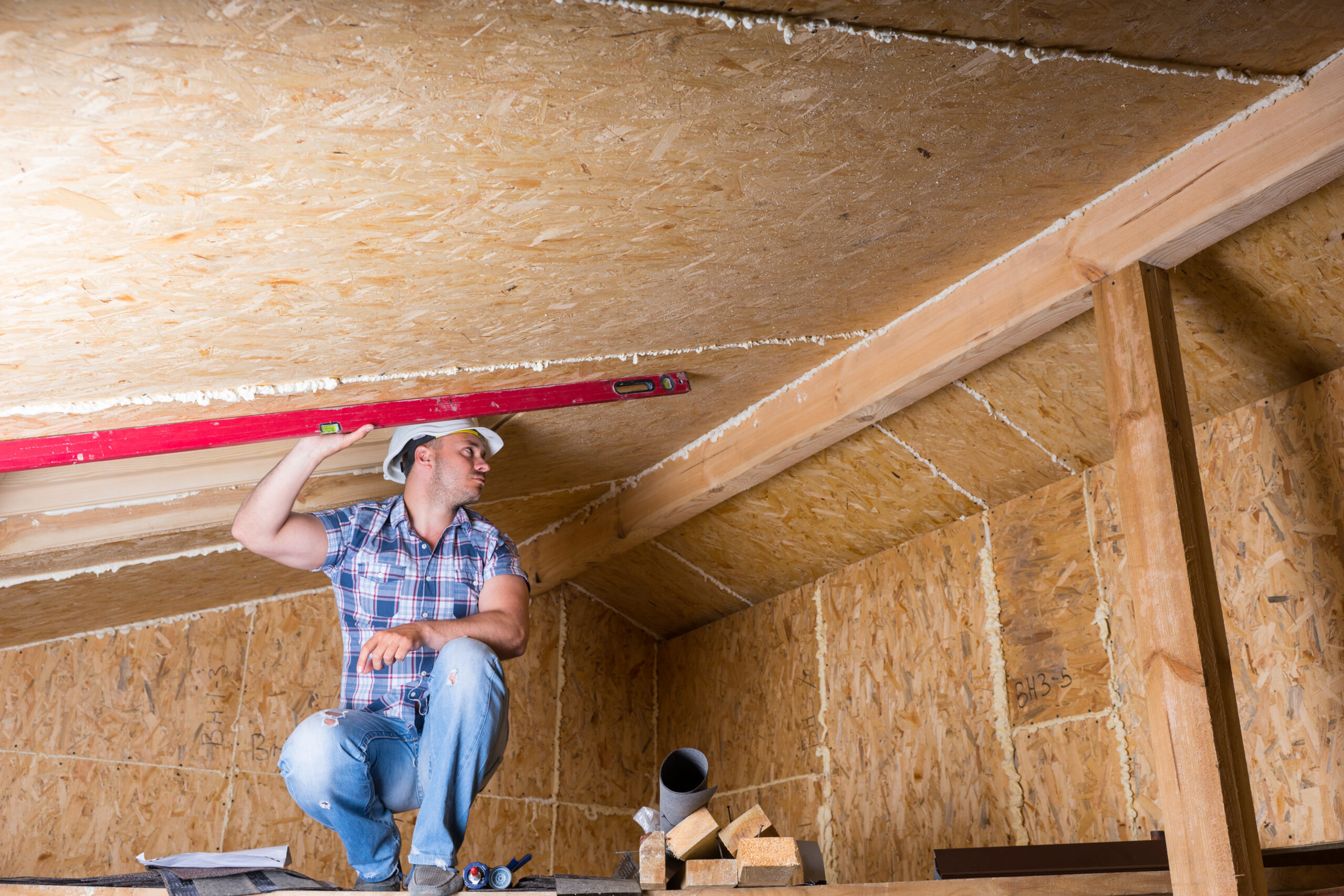
We frequently explain to clients that attic insulation cannot be evaluated in isolation. Crawl spaces and attics function together as part of the overall building envelope. When one area is poorly insulated or improperly sealed, it affects pressure balance, moisture movement, and energy efficiency throughout the structure.
Our Crawl Space Insulation services complement attic insulation by:
- Reducing moisture migration into upper levels
- Improving overall thermal consistency
- Supporting indoor air quality improvements
- Enhancing long-term building durability
By addressing both areas strategically, we help property owners achieve balanced performance and reduce long-term maintenance risks.
Residential and commercial attic insulation considerations
At Crown Insulation Services, we approach residential and commercial attic insulation with the understanding that performance requirements vary significantly based on building use, occupancy patterns, and regulatory obligations. While the core principles of heat control, air sealing, and moisture management remain consistent, the execution must be tailored to the specific demands of each environment.
In residential settings, attic insulation is closely tied to occupant comfort, indoor air quality, and long-term energy savings. We focus on minimizing temperature fluctuations, reducing drafts, and supporting efficient HVAC operation. Proper insulation helps create stable living environments while protecting structural components from condensation-related damage. Homeowners often benefit from insulation strategies that also support quieter interiors and improved moisture control, particularly in properties with finished attics or complex rooflines.
Commercial and industrial buildings present a different set of challenges. Attic insulation in these spaces must support higher energy loads, extended operating hours, and stricter building codes. We account for roof assembly design, fire-resistance requirements, and integration with mechanical systems. In many cases, insulation must also align with fireproofing strategies and durability standards to support long-term facility operations.
Our experience with Attic insulation CT projects allows us to design solutions that balance energy efficiency, safety, and compliance. Whether addressing a single-family residence or a large commercial facility, we ensure attic insulation supports the overall performance goals of the structure without introducing future risks or maintenance concerns.
Long-term value and building durability
Attic insulation is an investment in long-term building performance. When properly designed and installed, it reduces energy costs, minimizes moisture-related damage, and supports fire safety strategies that protect both people and assets.
We help clients understand that the true value of attic insulation includes:
- Lower lifetime energy expenditures
- Reduced strain on HVAC systems
- Improved indoor comfort and air quality
- Enhanced fire resistance and safety planning
- Greater structural longevity
ASHRAE standards emphasize the importance of integrated building envelope design to achieve long-term efficiency and resilience. Our insulation solutions align with these principles by addressing performance holistically rather than as isolated upgrades.
Evaluating existing attic insulation
At Crown Insulation Services, we place significant emphasis on evaluating existing attic insulation before recommending any upgrades or modifications. Many buildings already contain insulation, but age, environmental exposure, or improper installation can significantly reduce its effectiveness over time. Our evaluations are designed to identify performance gaps that may not be visible from occupied spaces.
We assess insulation coverage, depth, and condition to determine whether it continues to meet current performance standards. Compressed, displaced, or moisture-damaged insulation often fails to deliver its intended thermal resistance. We also examine air leakage pathways, as even high-quality insulation can underperform if air movement is not properly controlled.
Another critical part of our evaluation process involves moisture and ventilation analysis. Trapped moisture in attic spaces can lead to mold growth, wood rot, and insulation degradation. We look for signs of condensation, staining, or inadequate ventilation that could compromise long-term building health.
In commercial properties, evaluations also include compatibility with fireproofing systems and current building code requirements. Changes in occupancy or building use may necessitate updated insulation and fire protection strategies.
Our goal is to provide clear, evidence-based recommendations that prioritize performance and longevity. By identifying issues early, we help property owners make informed decisions that avoid unnecessary replacements while addressing real risks that impact energy efficiency, safety, and durability.
How attic insulation supports indoor air quality and occupant health

At Crown Insulation Services, we recognize that attic insulation plays a direct role in protecting indoor air quality and occupant well-being. Attic spaces often act as a pathway for airborne pollutants, allergens, and moisture to enter occupied areas if insulation and air sealing are inadequate.
Properly installed attic insulation helps limit the movement of outdoor contaminants and prevents attic air from being drawn into living or working spaces. This is especially important in buildings with pressure imbalances caused by HVAC systems or stack effect. By reducing uncontrolled airflow, insulation supports cleaner indoor environments and more consistent air quality.
Moisture control is another critical factor. Excess humidity in attic spaces can promote mold growth, which may release spores into the building interior. Effective insulation systems, combined with proper ventilation and air sealing, help regulate moisture levels and reduce the risk of microbial growth.
In residential settings, this contributes to healthier living conditions for occupants with allergies or respiratory sensitivities. In commercial and industrial facilities, improved air quality supports employee comfort, productivity, and regulatory compliance.
Our insulation strategies are designed to support these health-focused outcomes by addressing thermal control, air movement, and moisture management as interconnected systems rather than isolated components.
The relationship between attic insulation and long-term maintenance costs
At Crown Insulation Services, we help property owners understand that attic insulation decisions directly influence long-term maintenance and operational costs. Poorly insulated attics often contribute to recurring issues such as HVAC strain, roof deterioration, moisture damage, and premature material failure.
When insulation is insufficient or improperly installed, heating and cooling systems must operate more frequently to compensate for heat loss or gain. Over time, this increased demand accelerates equipment wear and raises repair and replacement costs. Proper attic insulation helps stabilize indoor temperatures and reduce mechanical stress, extending system lifespan.
Moisture-related damage is another common driver of maintenance expenses. Condensation in attic spaces can degrade insulation, weaken structural components, and create conditions for mold growth. Addressing insulation and moisture control together helps prevent these issues before they require costly remediation.
For commercial buildings, long-term insulation performance also affects compliance-related maintenance. Buildings that fail to meet energy or safety standards may require corrective upgrades under tight timelines. Proactive insulation planning helps avoid these disruptions and supports predictable facility management.
By focusing on durable, performance-driven insulation solutions, we help clients reduce unexpected maintenance costs while protecting the long-term value of their buildings.
Our approach to insulation expertise
At Crown Insulation Services, we focus on education, accuracy, and long-term performance. We believe informed clients make better decisions, and our role is to provide clear, factual guidance supported by industry standards and best practices.
We do not treat attic insulation as a commodity. We treat it as a critical system that supports energy efficiency, safety, and building durability across residential, commercial, and industrial environments.
If you are evaluating attic insulation for energy efficiency, fire protection, noise control, or moisture management, our team is prepared to provide a detailed assessment and practical recommendations tailored to your building’s needs. Contact Crown Insulation Services to schedule a professional evaluation or consultation and take the next step toward safer, more efficient, and longer-lasting building performance.