
Is aging or outdated insulation in my home a safety hazard?
At Crown Management Services and Insulation, we find that aging materials like compressed fiberglass or contaminated vermiculite pose serious health and fire risks. These systems degrade over time, compromising indoor air quality. We help property owners with professional Home insulation Stamford upgrades to replace hazardous materials with modern, high-performance systems that prioritize long-term safety and efficiency.
We frequently work in older Connecticut homes where insulation materials installed decades ago are still in place. While these materials were once considered standard, time, environmental exposure, and evolving safety standards have revealed significant risks associated with aging insulation. In regions like Connecticut, where homes are exposed to cold winters, humid summers, and frequent freeze–thaw cycles, outdated insulation can become a hidden hazard rather than a protective system.
Many older homes were insulated using fiberglass batts, mineral wool, or vermiculite. Fiberglass batts, for example, are prone to sagging, compressing, and tearing over time. As the U.S. Department of Energy explains, when fiberglass insulation loses its shape or becomes displaced, it no longer provides consistent thermal resistance, allowing air leakage that increases energy loss and HVAC strain. In homes requiring Home insulation Stamford upgrades, we often find fiberglass batts that no longer make full contact with framing, creating gaps that compromise both efficiency and safety.
Mineral wool, while more fire-resistant than fiberglass, can also deteriorate with age. Over time, it may settle or absorb moisture, especially in areas like basements and crawl spaces. Moisture retention reduces insulating performance and creates conditions that support mold growth. According to the Environmental Protection Agency, damp insulation materials can significantly impact indoor air quality and occupant health, an issue we frequently address during assessments.
Vermiculite insulation presents an even greater concern. Many older homes still contain vermiculite sourced from mines that were later found to be contaminated with asbestos. The U.S. Environmental Protection Agency warns that disturbing this material can release asbestos fibers into the air, posing serious long-term health risks. In these cases, insulation is no longer just inefficient, it becomes a direct safety hazard that requires professional evaluation and replacement.
Beyond health risks, aging insulation materials increase fire and structural concerns. Gaps caused by settling or degradation allow air to move freely through wall and ceiling cavities, enabling fires to spread more rapidly. This is why we often recommend modern solutions that combine insulation performance with fire safety, including applied fireproofing and spray applied fireproofing service options for applicable structures. Fire safety guidance from the National Fire Protection Association reinforces the importance of materials that meet current fire-resistance standards, standards that older insulation systems were never designed to satisfy.
At Crown Insulation, we help homeowners transition from outdated, deteriorating materials to modern, high-performance foam insulation systems manufactured in the U.S. These solutions create continuous air and thermal barriers, resist moisture intrusion, and maintain their performance for decades. We educate homeowners on the risks of leaving aging insulation unchecked and provide clear, professional solutions that prioritize safety, comfort, and long-term value. Whether addressing legacy materials or upgrading entire systems, we approach every home as if it were our own, because insulation should protect, not endanger, the people living inside.
Moisture Intrusion, Mold Growth, and Health Concerns in Connecticut’s Climate
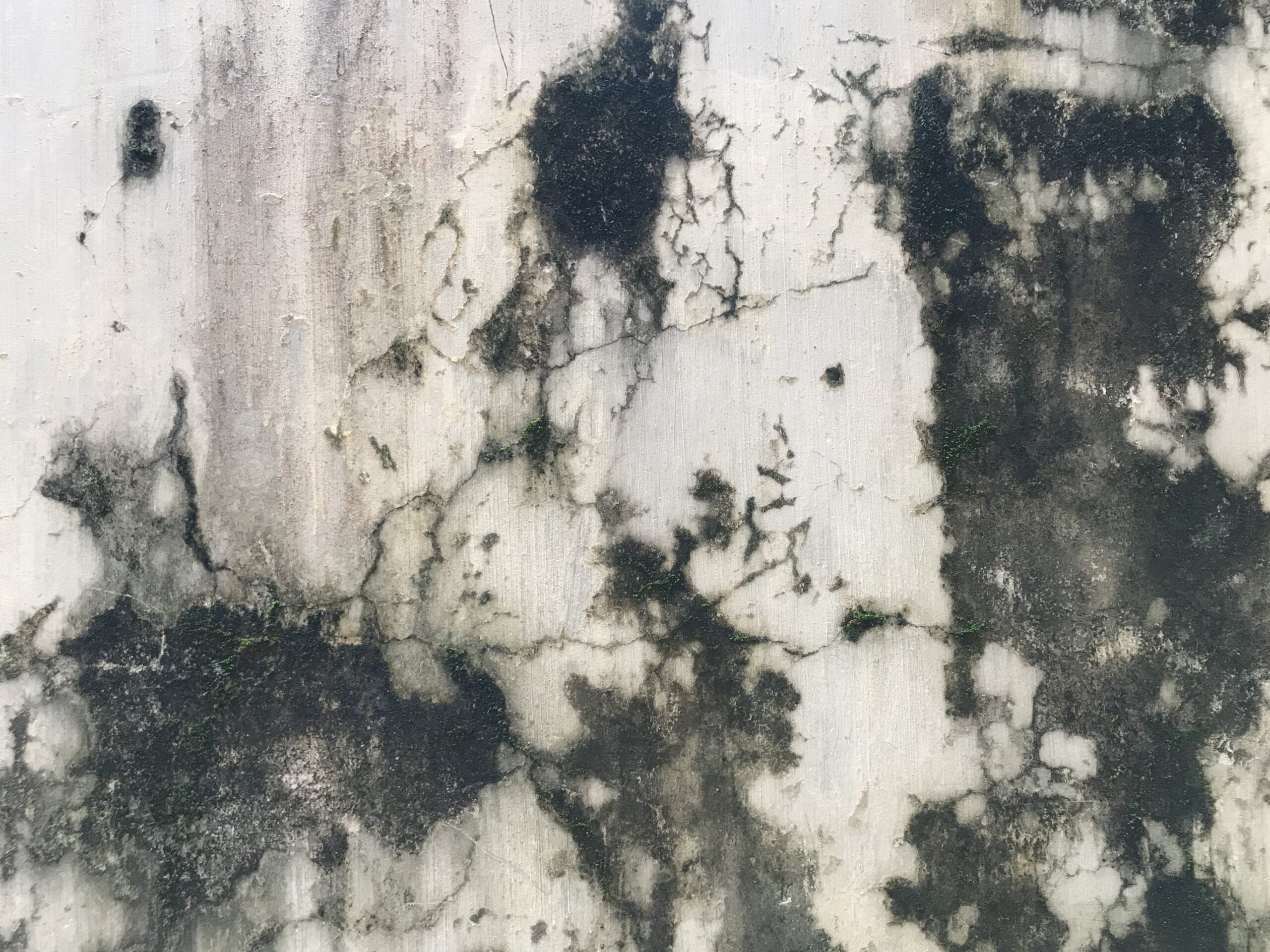
It’s common to find homeowners across Connecticut who experience moisture-related issues during the winter months without realizing that insulation is the root cause. Connecticut’s cold winters create the perfect conditions for condensation, especially in older homes built with legacy insulation systems that were never designed to manage modern comfort expectations or indoor air quality. When moisture intrusion goes unchecked, it can lead to mold growth, structural damage, and serious health concerns for the people living inside the home.
During winter, the temperature difference between the warm indoor air and the cold outdoor air becomes extreme. Warm air naturally holds more moisture, and as it moves through gaps in walls, ceilings, attics, and crawl spaces, it encounters cold surfaces. This temperature change causes condensation to form inside building cavities. According to the U.S. Department of Energy, inadequate insulation and air sealing are leading contributors to condensation problems in cold climates. In many Home insulation Stamford projects, we find moisture buildup hidden behind walls, often unnoticed until mold or odors appear.
Older homes in Connecticut were commonly insulated with fiberglass batts, mineral wool, or other materials that allow air movement and absorb moisture over time. These materials can settle, compress, or shift, creating gaps that allow warm, humid indoor air to leak into colder spaces. Once moisture becomes trapped, it creates an ideal environment for mold and mildew. The Environmental Protection Agency explains that mold thrives in damp conditions and can grow on insulation, wood framing, and drywall when moisture problems persist.
The health risks associated with mold exposure are well documented by medical institutions. The Centers for Disease Control and Prevention notes that indoor mold exposure can cause respiratory symptoms, allergic reactions, and can aggravate asthma, particularly in children, older adults, and individuals with weakened immune systems. In older Connecticut homes with inadequate insulation, winter condensation often leads to repeated cycles of dampness and drying, allowing mold spores to spread through HVAC systems and circulate throughout the home. Newer insulation materials also contribute directly to improved indoor air quality. By sealing gaps and reducing moisture intrusion, foam insulation helps prevent mold spores, bacteria, and outdoor pollutants from entering the living space.
At Crown Insulation, we help homeowners understand that preventing moisture intrusion requires more than simply adding insulation, it requires the right type of insulation. Modern, U.S.-made foam insulation materials are designed to resist moisture and prevent condensation by creating a continuous air and thermal barrier. Unlike legacy systems, foam insulation limits air movement, which significantly reduces the conditions that allow condensation to form. This is why we frequently recommend foam solutions for Home insulation Stamford CT and surrounding areas where winter moisture problems are common.
In addition to residential solutions, we also support buildings that require enhanced safety and performance through services such as applied fireproofing and spray applied fireproofing service. These systems are designed not only to improve fire resistance but also to support building durability in challenging climates like Connecticut’s. For specialized projects, including spray fireproofing Davis, moisture control remains a critical factor in maintaining long-term material performance.
Moisture intrusion is not just a seasonal inconvenience, it is a long-term safety and health concern when insulation is outdated or inadequate. By upgrading to modern insulation systems designed to resist moisture, prevent condensation, and protect indoor air quality, homeowners can create a healthier living environment that performs reliably year after year.
We approach every project as if it were our own home. Our goal is to help families stay warm, safe, and healthy during Connecticut’s harsh winters by addressing moisture problems at their source, through high-quality insulation solutions built for today’s climate challenges.
Structural Stress and Energy Loss Caused by Poor Thermal Performance
Poor insulation does more than increase energy bills, it places ongoing structural stress on the entire building. In Connecticut, where winter temperatures frequently fluctuate above and below freezing, inadequate insulation exposes homes to repeated freeze–thaw cycles that can slowly compromise framing, roofing systems, foundations, and mechanical equipment. These issues are especially common in older properties requiring Home insulation Stamford upgrades.
Freeze–thaw cycles occur when heat escapes through poorly insulated walls, roofs, and crawl spaces, warming exterior surfaces just enough for moisture to melt. As temperatures drop again, that moisture refreezes and expands. Over time, this repeated expansion and contraction stresses wood framing, masonry, concrete foundations, and roof assemblies. The U.S. Department of Energy explains that inconsistent thermal performance accelerates material fatigue and increases the risk of cracks, air leaks, and long-term structural deterioration.
Roofing systems are particularly vulnerable. Heat loss from poorly insulated attics can cause snow to melt unevenly, leading to ice dams that force water under shingles and into wall cavities. This moisture intrusion not only damages insulation but also weakens roof decking and framing. In many Home insulation Stamford CT inspections, we’ve found that insulation gaps directly correlate with water stains, wood rot, and costly roof repairs that could have been prevented with proper thermal control.
Foundations and wall systems are also affected by poor thermal performance. When insulation allows cold air infiltration, interior surfaces cool down, increasing condensation and moisture exposure. Over time, this weakens materials and contributes to cracking, shifting, and air leakage. The Environmental Protection Agency notes that uncontrolled heat loss and air movement significantly increase both energy waste and building wear, especially in cold-climate regions like Connecticut.
Energy loss caused by inadequate insulation also places strain on HVAC systems. As heat escapes, heating equipment must work longer and harder to maintain indoor comfort. This increased workload accelerates system wear, shortens equipment lifespan, and raises the risk of breakdowns during peak winter demand. Homeowners often notice rising utility bills, inconsistent room temperatures, and even strange odors caused by moisture, dust, or mold being pulled into ductwork. These are common warning signs we address during spray foam insulation Greenwich CT and crawl space evaluations.
Today’s high-performance insulation materials are designed to prevent these issues by creating consistent thermal and air barriers. Modern, U.S.-made foam insulation resists moisture, maintains its shape over time, and minimizes heat transfer across the building envelope. By reducing temperature fluctuations within walls, roofs, and foundations, these materials help protect structural integrity while lowering energy-related safety risks. In some cases, insulation upgrades can also be paired with applied fireproofing or spray applied fireproofing service solutions to further enhance durability and protection in demanding environments.
Leaving poor insulation unchecked often leads to expensive, invasive repairs, such as rebuilding wall systems, replacing damaged roofing, upgrading HVAC equipment, or addressing persistent moisture and odor problems. By investing in high-quality insulation now, homeowners can stabilize indoor temperatures, reduce energy loss, and protect their home’s structure from the cumulative damage caused by Connecticut’s harsh weather.
We help ensure that a home’s insulation works as a protective system, not a hidden liability. We aim for long-term safety, efficiency, and peace of mind for our customers.
The Risks of Leaving Poor Insulation Unchecked, and the Benefits of Modern Upgrades

We often meet homeowners who delay insulation upgrades because the problems are not immediately visible. Unfortunately, poor insulation rarely stays a minor issue. When left unchecked, it quietly creates a chain reaction of long-term consequences that affect energy costs, mechanical systems, structural safety, and even day-to-day peace of mind, especially in Connecticut’s demanding climate. This is why many Home insulation Stamford evaluations begin with concerns that have already escalated into costly repairs.
One of the most common consequences of inadequate insulation is premature HVAC failure. When heat escapes through poorly insulated walls, attics, and crawl spaces, heating and cooling systems are forced to work harder and run longer to maintain comfort. Over time, this constant strain leads to worn components, frequent breakdowns, and early system replacement. The U.S. Department of Energy confirms that inefficient building envelopes significantly increase HVAC energy demand and equipment wear, an issue we regularly see in older Connecticut homes.
Hidden moisture damage is another serious risk. Poor insulation allows warm, humid indoor air to meet cold surfaces during winter, creating condensation inside walls and ceilings. This moisture can go undetected for years, weakening framing, damaging drywall, and fostering mold growth. According to the Environmental Protection Agency, persistent moisture problems increase the likelihood of mold contamination, which can compromise both structural materials and indoor air quality. These issues often reveal themselves only after significant damage has occurred, leading to unexpected and expensive remediation.
Rising energy costs are often the first noticeable warning sign. Homeowners with outdated insulation frequently experience steady increases in utility bills without any change in usage habits. Heat loss, air leakage, and inconsistent thermal performance force HVAC systems to consume more energy just to maintain basic comfort. In many Home insulation Stamford CT projects, we help homeowners identify insulation failures that have been driving unnecessary energy expenses for years.
Beyond the physical and financial impact, poor insulation also affects home safety and mental well-being. Drafty rooms, cold floors, strange odors caused by moisture or mold, and constant system malfunctions create ongoing stress. The uncertainty of not knowing when the next repair will be needed, or how much it will cost, adds a mental burden that many homeowners underestimate. Reduced home safety can also become a concern when insulation gaps allow moisture damage, air infiltration, or increased fire spread potential. This is why insulation is often paired with safety-focused solutions like applied fireproofing and spray applied fireproofing service in certain structures.
Upgrading to modern, U.S.-made insulation materials offers a clear path forward. Today’s high-performance foam insulation systems are engineered to provide consistent thermal barriers, resist moisture intrusion, and maintain their effectiveness for decades. Unlike legacy materials, modern insulation minimizes air leakage, stabilizes indoor temperatures, and supports healthier indoor air quality. These upgrades also help homes meet current building expectations for energy efficiency, durability, and safety, standards that older insulation systems were never designed to satisfy.
At Crown Insulation, we help homeowners replace uncertainty with confidence. Through our Local guide program, we assess insulation conditions, explain risks clearly, and recommend solutions tailored to each home. Whether addressing crawl spaces, walls, attics, or full residential and commercial insulation needs, we approach every project as if it were our own home. By upgrading to modern insulation now, homeowners can prevent costly damage, reduce stress, improve comfort, and protect their investment for the long term, while knowing they have a trusted partner helping them every step of the way.