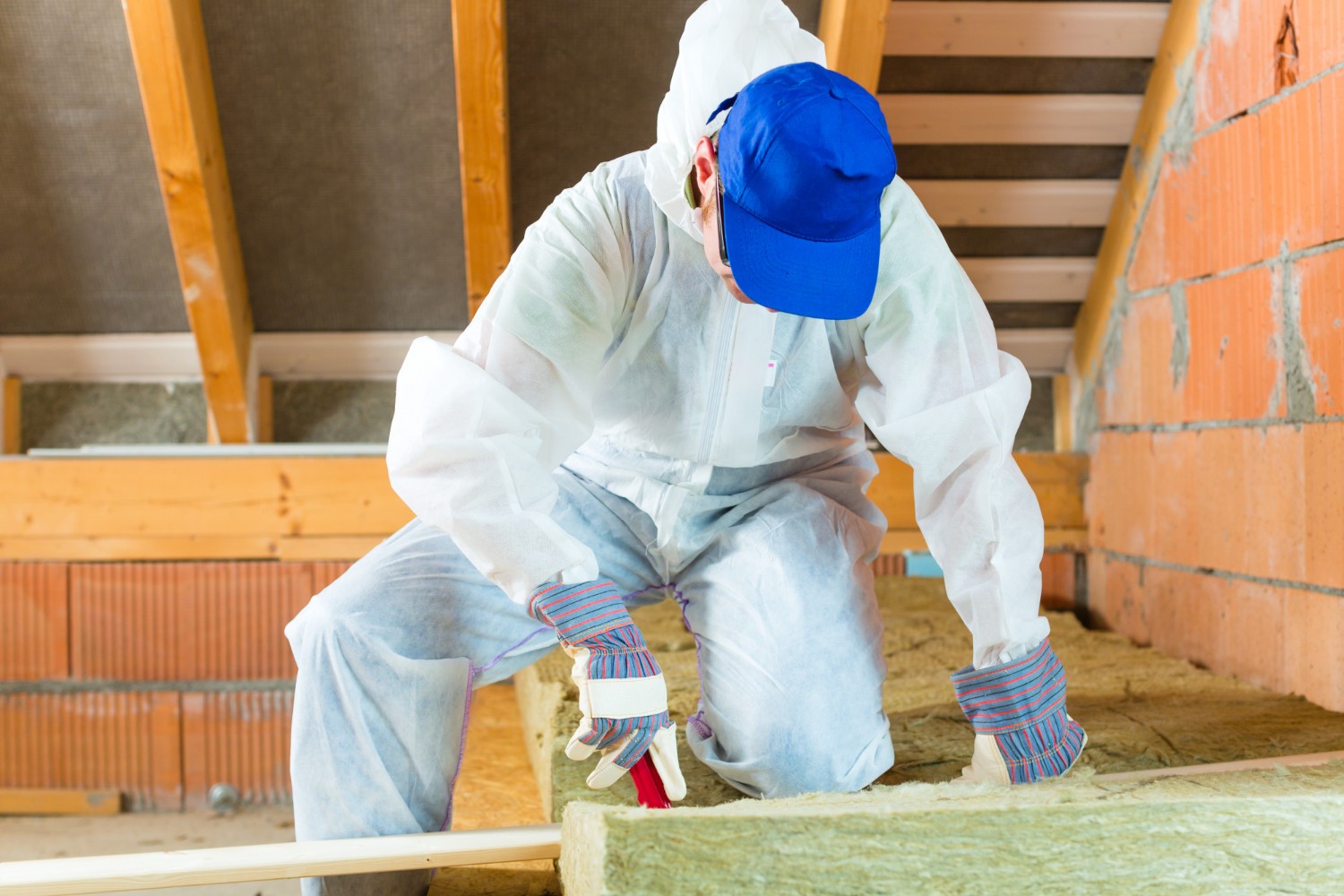







Over 10 Years of Field Experience: Why the Price Tag Matters Less Than the Building Science.
When you begin evaluating the Spray foam vs cellulose cost CT proposals for your Greenwich home, you are making a critical decision about the future health of your home’s envelope. This choice between materials defines how your home breathes, manages moisture, and protects your family.
At Crown Management Services and Insulation, we understand that this decision can feel overwhelming. You want to make a smart financial choice, but you also want to banish the ice dams, the cold floors, and the worry about Indoor Air Quality. We provide the building science context you need, ensuring that whether you choose high-density cellulose or precision-applied spray foam, the investment yields a safe, comfortable, and efficient home for decades.
Superior air sealing stops leaks cold. Many CT customers see 30–50% lower heating & cooling costs.
No more hot upstairs / freezing downstairs. Consistent temperature from basement to attic.
Blocks dust, pollen, mold spores & allergens. Cleaner air for your family.
Comparing Spray foam vs cellulose cost CT involves analyzing long-term performance versus initial investment. Spray foam provides an integral air barrier and higher R-value per inch, ideal for unvented attics. Cellulose offers excellent sound dampening and value but requires separate, rigorous air sealing. Professional selection depends on moisture management and specific envelope goals.

If you choose a basic cellulose installation without addressing this airflow, the initial Spray foam vs cellulose cost CT might look lower, but the "comfort cost" remains high. You will still have drafts. You will still have ice dams.

Conversely, if you choose spray foam but hire a "discount" installer who ignores humidity loads, you risk moisture entrapment. At Crown, we validate your need for a permanent solution. We explain that the true Spray foam vs cellulose cost CT isn't just the install price, it’s the difference between a home that works with the Greenwich climate and one that fights against it. We design solutions that seal the Thermal Bridging gaps and stop the energy bleed, regardless of the material selected.
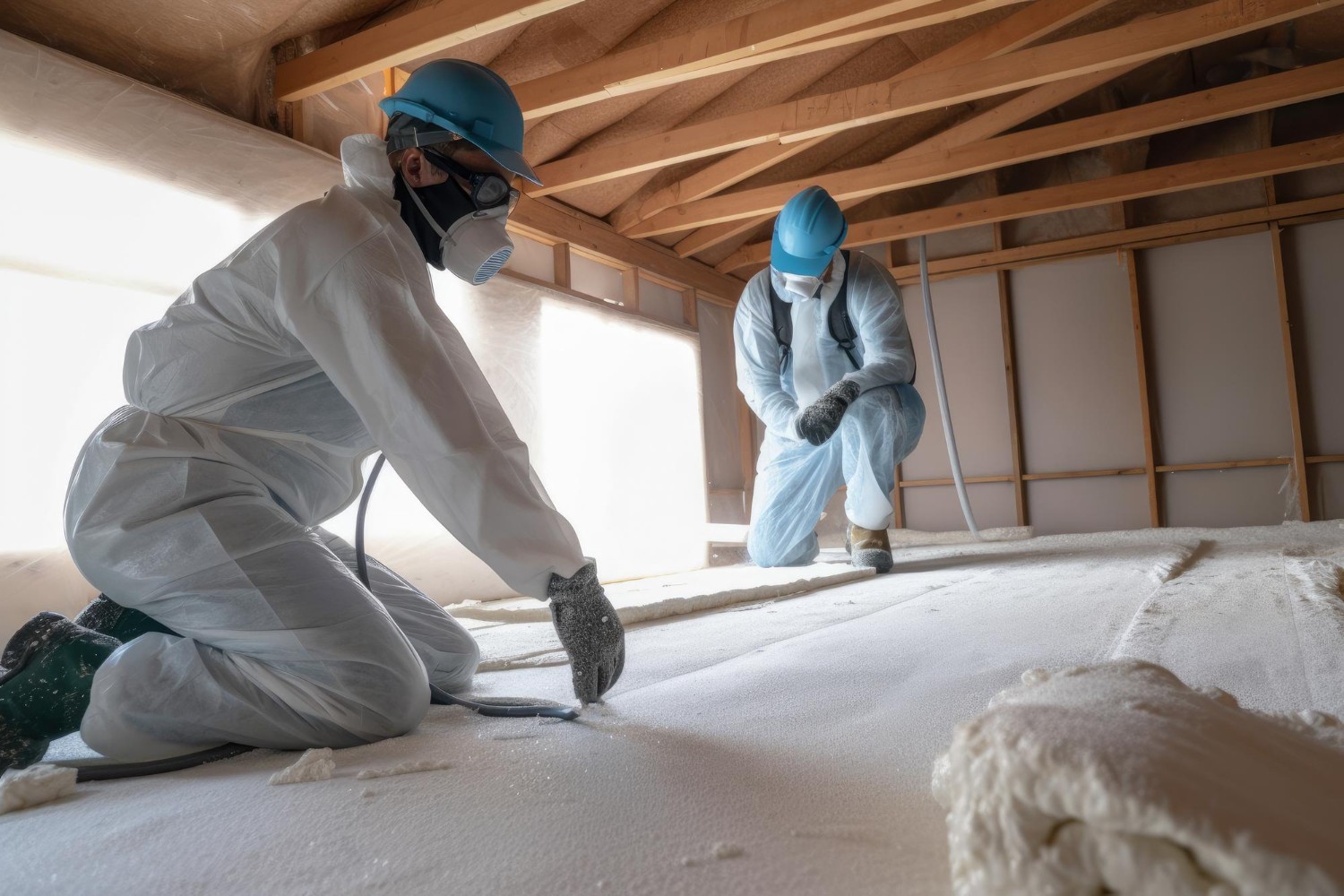
Let’s be honest: The frustration of a freezing master bedroom or a damp basement isn’t fixed by the cheapest product; it is fixed by the right system. When homeowners ask us about the Spray foam vs cellulose cost CT, we often ask them about their pain points.
Are you battling the Stack Effect? This is where expensive heated air escapes through your attic, pulling cold, dirty air up from the crawlspace.
The difference between a safe, effective job and a nightmare often comes down to the installation protocols, not just the material price. The Spray foam vs cellulose cost CT analysis must include the value of safety.
We have seen the results of amateur work, cellulose blown over rodent-soiled fiberglass, or spray foam that off-gasses because the installer rushed the Exothermic reaction. We care too much about your family to take those risks.
Crown Management Services and Insulation provides excellent Spray foam vs cellulose cost CT through our strict protocols:
Whether it is the borate-treated cellulose (which repels pests and mold) or our low-VOC spray foam, we only use verified, American-manufactured products. We want you to feel secure knowing exactly what is in your walls.
For spray foam, our equipment monitors temperature and pressure constantly to ensure a safe cure. For cellulose, we install to “settled density,” ensuring the material doesn’t sag over time.
We don’t just cover up a mess. If your attic has old, contaminated insulation, we remove it and sanitize the substrate. A clean start is part of the true value of the Spray foam vs cellulose cost CT calculation.
Whether you’re looking to improve comfort at home, reduce operating costs for your business, or protect your property with advanced fireproofing solutions, our team is here to help.
With over a decade of hands-on experience across New York, New Jersey, and Connecticut, we provide expert guidance, transparent communication, and reliable service you can count on. No project is too small or too complex, our specialists are ready to deliver solutions tailored to your needs.
When you choose Crown, you are choosing a partner dedicated to measurable improvement. When evaluating the Spray foam vs cellulose cost CT, consider the ROI we deliver:

Whether we use foam or air-sealed cellulose, we stop the drafts.

We respect your home. Cellulose can be dusty; foam can be messy. Our crews mask floors, use dust runners, and leave your home spotless.

We use third-party verified products that meet strict USA fire and safety codes.
It comes down to function. Cellulose is an insulator; it slows down heat transfer. Spray foam is an insulator, an Air Barrier, and often a Vapor Barrier all in one. When you look at the Spray foam vs cellulose cost CT, remember that foam eliminates the labor and material costs of separate air sealing and vapor barrier installation.
Yes, absolutely. The cellulose we use is made from recycled paper fibers treated with borates. This treatment is non-toxic to humans and pets but highly toxic to insects and mold. It provides Class-A fire resistance. We ensure the Spray foam vs cellulose cost CT includes these premium, safe materials.
Yes! We call it a “Flash and Batt” or “Flash and Blow” system. We apply a layer of spray foam to seal the air leaks (the critical building science step) and then install thick cellulose over it to achieve R-60. This optimizes the Spray foam vs cellulose cost CT, giving you the air seal of foam with the value of cellulose.
We believe in taking the time to plan correctly. Currently, our lead time is 1-2 weeks. This ensures we can properly prep your site and check our equipment calibration, a standard part of the value we provide regardless of the Spray foam vs cellulose cost CT.